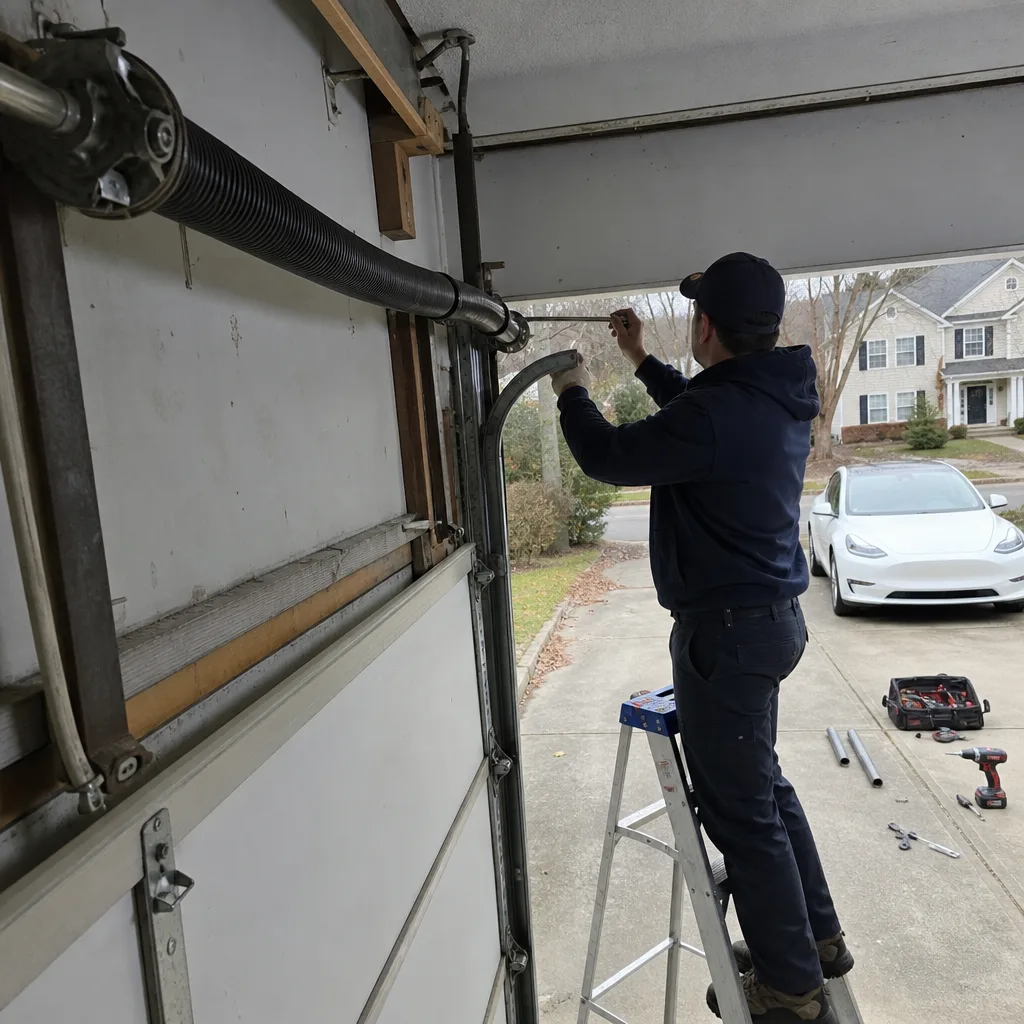
Last updated November 22, 2026
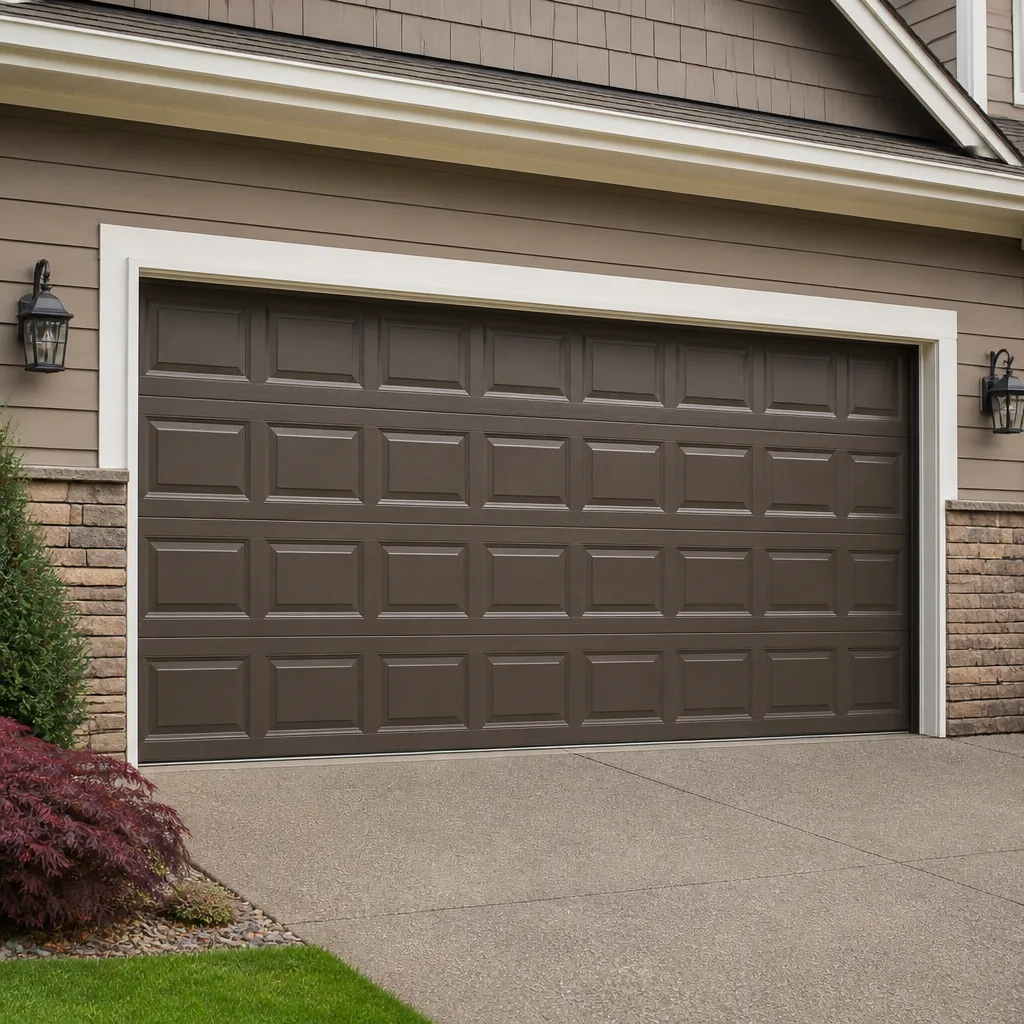 Raised-panel steel
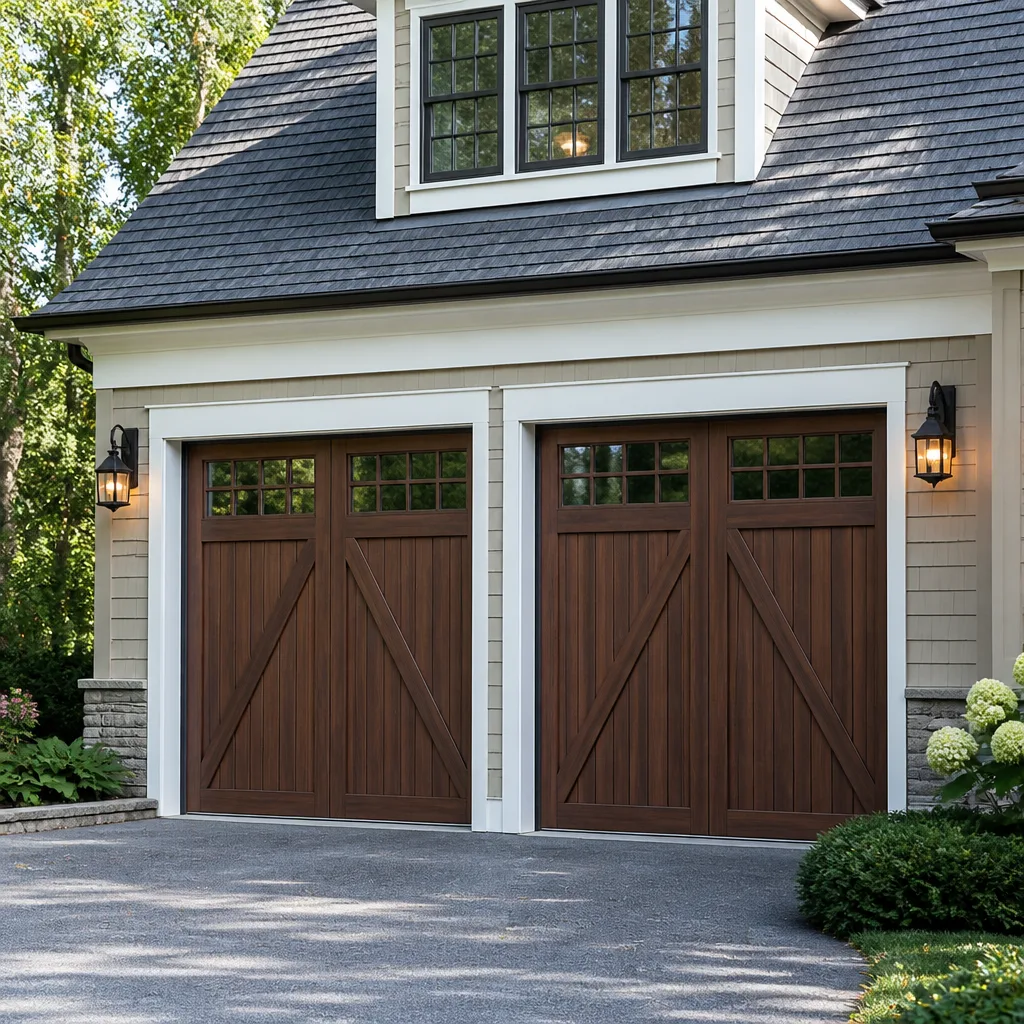 Carriage house
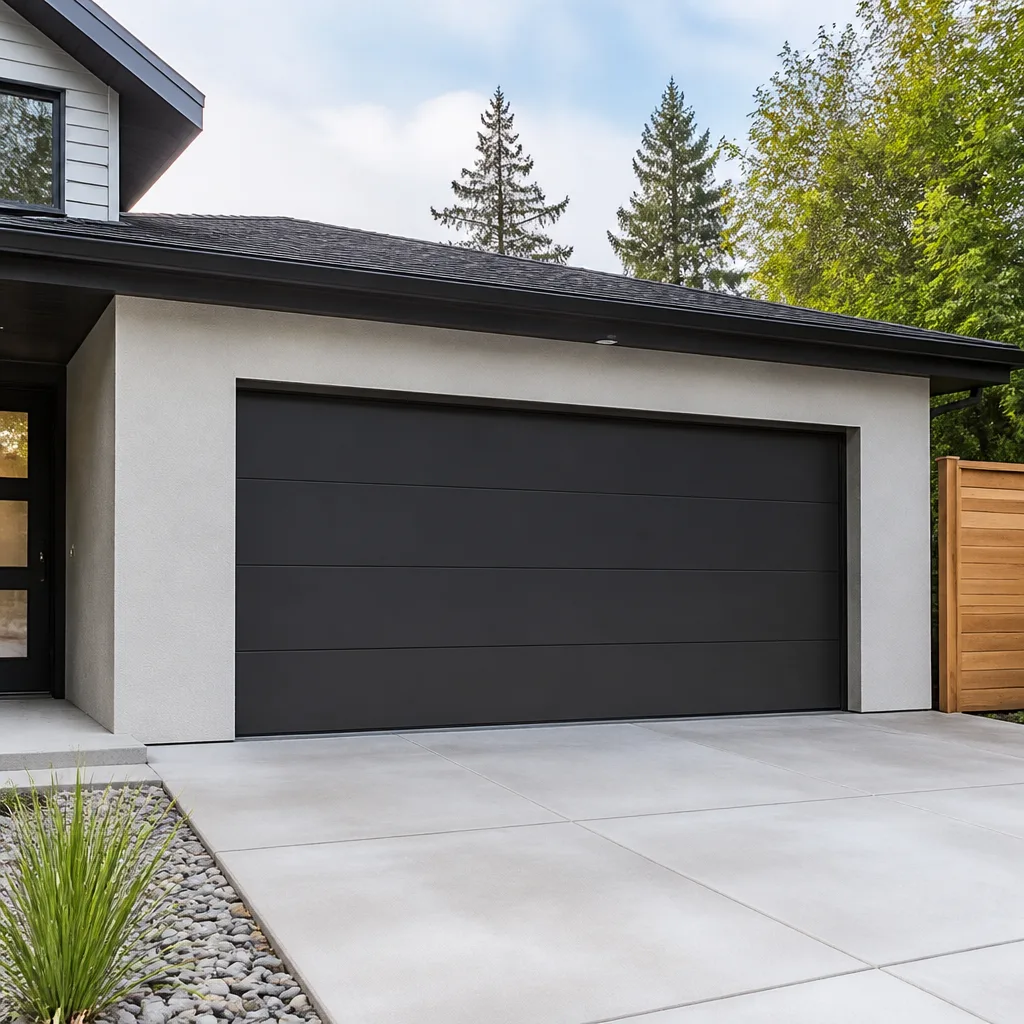 Modern flush
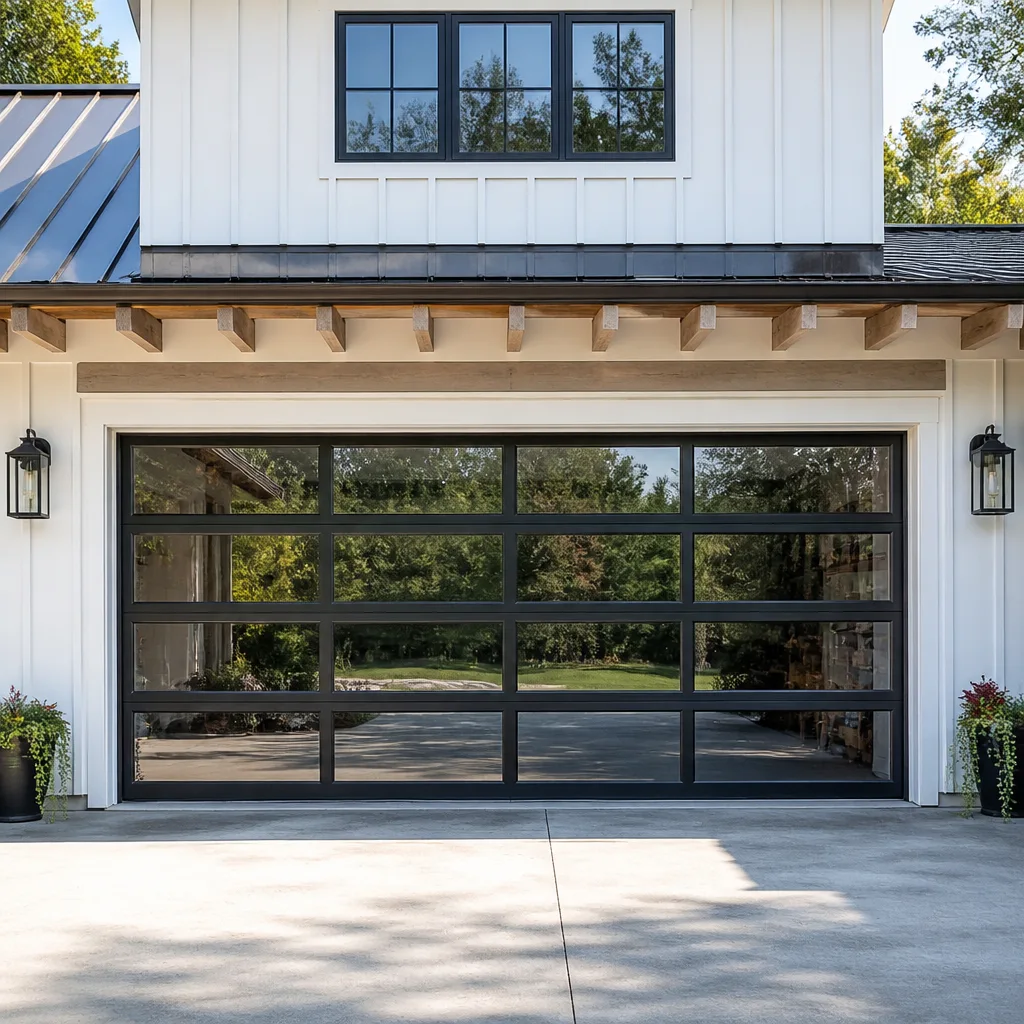 Full-view glass
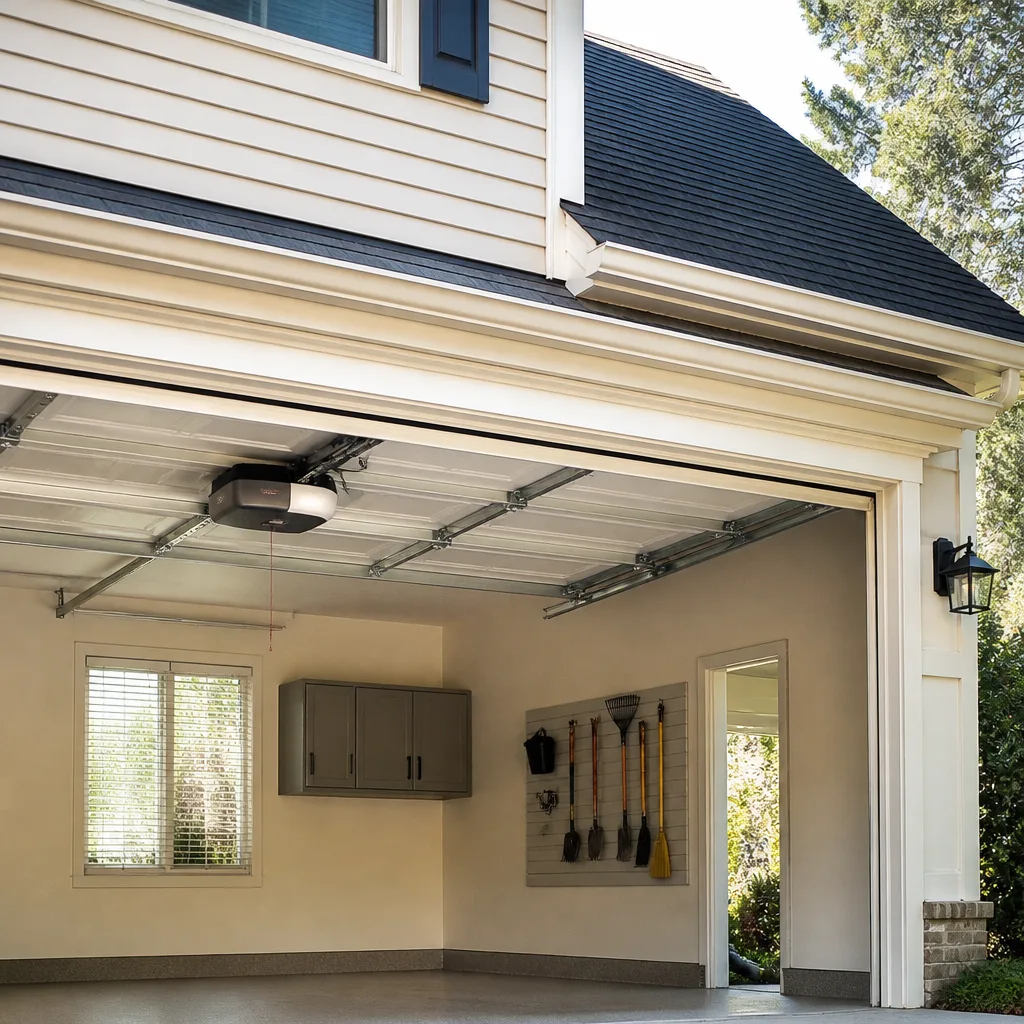 LiftMaster openers
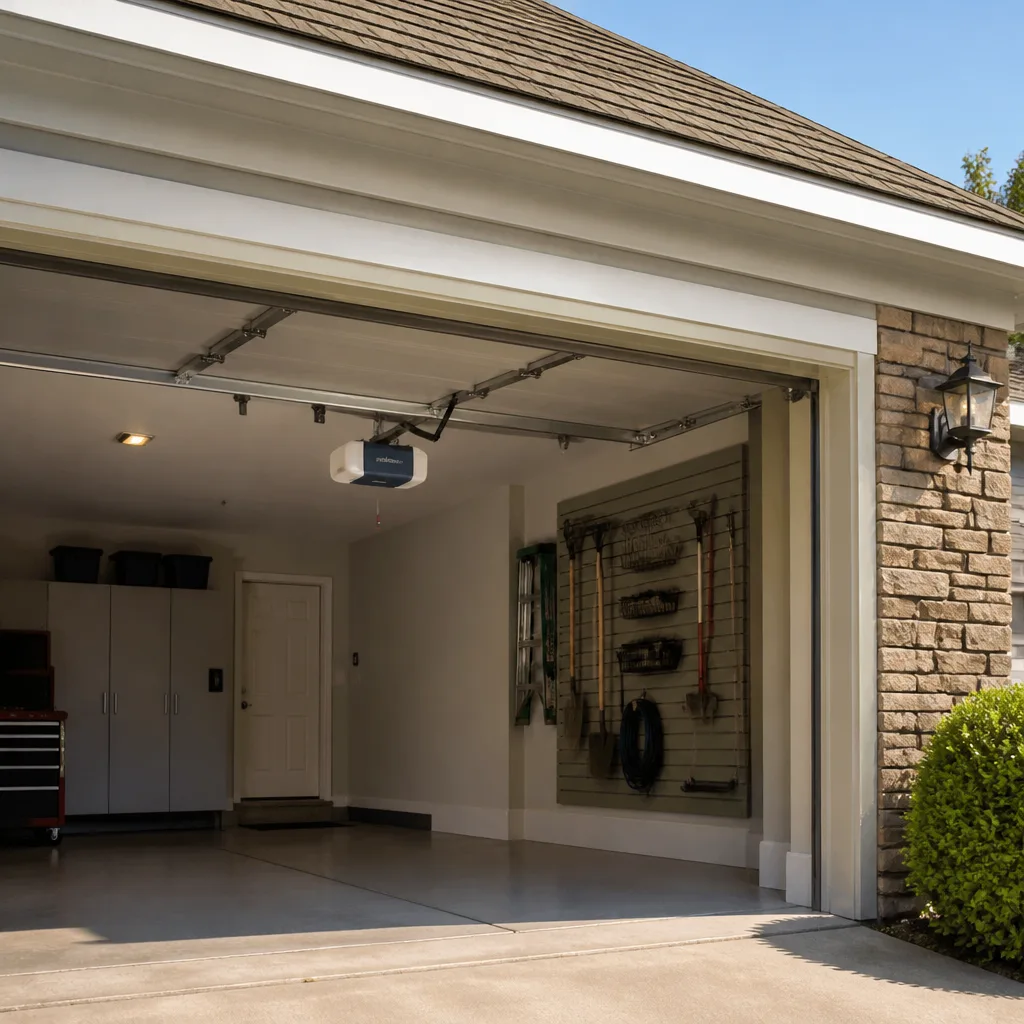 Chamberlain openers
Full 25-point door and opener safety check with every visit - springs, cables, rollers, tracks, and your LiftMaster or Chamberlain opener included
You get a price before we start. It does not change when the pro arrives.
Get your free estimateDIY vs Professional Garage Door: The Newton Homeowner’s Decision Guide
Most homeowners who get hurt working on a garage door are not reckless people. They’re capable, they’ve watched the videos, and they’ve fixed plenty of things around the house. The problem is that a torsion spring doesn’t care how competent you are. It stores energy whether you respect it or not. That’s why the DIY-or-pro question for a garage door isn’t really about skill. It’s about physics, and a few specific parts of the system hold enough stored force to hurt you badly if something slips. This guide breaks the job into what you can safely handle yourself and what should go to a trained technician, with the reasoning behind each line. We’ll also cover the cost math on opener work, why older extension-spring setups in Newton homes are especially unforgiving, and what to do while you wait for a technician to arrive.
Quick Answer
Lubrication, safety-sensor alignment, travel-limit adjustments, and remote programming are genuinely safe for a homeowner to do. Anything that involves a torsion spring, a cable under load, or a bottom bracket should go to a trained technician, because those parts store enough mechanical energy to cause serious injury regardless of your skill level. When in doubt, treat the spring system as off-limits and call a professional for the heavy mechanical work.
Styles & brands we work with
- Raised-panel steel
- Carriage house
- Modern flush
- Full-view glass
- LiftMaster openers
- Chamberlain openers
Table of Contents
- Why Garage Door Repair Is a Physics Question, Not a Skills Question
- The Task List: What You Can Safely Do Yourself
- The Task List: What You Should Never Take On
- Why Older Extension Springs in Newton Homes Are Especially Dangerous
- The Cost Math on DIY Opener Installation
- Bent Track: Cosmetic Issue or Structural Problem?
- What to Do Between Calling and the Technician Arriving
- When to Call a Professional
Why Garage Door Repair Is a Physics Question, Not a Skills Question
A torsion spring above a typical residential door is wound to somewhere in the range of 150 to 300 ft-lbs of torque. That figure isn’t a scare tactic pulled from a marketing page. It’s the stored rotational energy sitting in the spring above your garage door right now, holding the weight of a door that can run several hundred pounds. When you see a DIY spring failure described in emergency room terms, the torque number is the reason the injuries tend to be severe rather than minor.
Here’s what makes this different from, say, replacing a faucet cartridge. With most home repairs, a mistake means a leak, a mess, or a call to someone else. With a torsion spring, a mistake means the stored energy releases all at once, and the tool or the spring itself can move with enough force to break bones or worse. The homeowner’s competence changes very little about the outcome once the spring starts unwinding uncontrolled.
This is why we split garage door work into two categories rather than treating it as one big “call a pro” bucket. Some tasks genuinely don’t carry that energy. If you’re adjusting a sensor or reprogramming a remote, there’s nothing dangerous about it, and a technician visit for that alone is overkill. The key is knowing exactly where the line sits, because the difference between a safe task and a dangerous one can be as simple as whether a spring is under tension.
For a Newton homeowner, that line is worth learning once. It saves you money on the small stuff and keeps you away from the part of the job that has no margin for error.
The Task List: What You Can Safely Do Yourself
These jobs involve no stored spring energy and no parts that can snap back at you. If you’re reasonably handy, they’re within reach, and they’re a fair way to spend an afternoon before you decide whether anything else needs attention.
- Lubrication. Wipe down the rollers and hinges with a garage-door-rated lubricant, and apply a light coat to the torsion spring (never reach around the spring while the door is moving; do it with the door closed and the opener disconnected). Proper lubrication quiets a squeaky door and slows wear on the moving metal parts.
- Safety-sensor alignment. If the door reverses or refuses to close, check that the two sensors near the floor are aimed at each other and that nothing blocks the beam. A small nudge or a wipe of the lens often solves it. These sensors are a genuine safety feature, so confirm the door reverses when you pass an object through the beam.
- Travel-limit adjustment. If the door doesn’t fully close or reverses before reaching the floor, the open and close limits on the opener may be off. Most residential openers from LiftMaster, Chamberlain, Genie, and Craftsman have adjustment screws or a digital menu for this, and the owner’s manual is the correct reference.
- Remote and keypad programming. Pairing a new remote or changing a keypad code is a menu task, not a mechanical one. It’s safe and usually takes a few minutes.
- Force-setting checks. Testing whether the door reverses under a light load is a routine safety check. Setting the force adjustment on the opener to the manufacturer’s recommendation is also fine, provided you follow the manual.
If a task starts to require disconnecting the door from the opener and lifting it by hand to expose a spring or cable, stop. That’s the boundary. When you’re ready to hand off the mechanical side, our garage door repair service covers the parts that carry the load.
The Task List: What You Should Never Take On
The parts below all share one property: they hold or transfer stored energy, and a slip releases it in an instant. This isn’t a list of things that are hard to learn. It’s a list of things where a single mistake, at the wrong moment, can be life-altering.
- Torsion spring work. Removing or winding a torsion spring requires the correct winding bars and a precise count of turns. If a bar slips out under load, it becomes a flying object, and the spring can whip. This is the single most dangerous task on a garage door, and it’s also the most commonly botched by DIYers.
- Extension spring replacement. Extension springs run along the tracks and stretch under tension. Without the proper safety cables, a failing extension spring can travel with serious force. Even with cables installed, removal is a two-person job with specific containment steps.
- Cable replacement. The lift cables are under constant tension and hold the door’s weight in balance with the springs. A cable under load that lets go can cut or crush, and the door itself can drop.
- Bottom bracket work. The bottom bracket anchors the cable at the base of the door and is under load whenever the door is down. Homeowners who unbolt it without releasing tension first have been seriously injured; this is one of the classic garage door injury scenarios.
- Track replacement on a loaded door. Straightening or replacing a track while the door’s weight is on it risks the door coming off the track and falling.
We work on these parts every day, and our technicians treat them with the same caution a DIYer should. Spring repair is a dedicated specialty for us, not a side task, because the handling is that specific. If you want to understand what a proper spring job involves, our garage door spring repair page walks through it.
Why Older Extension Springs in Newton Homes Are Especially Dangerous
Many of the older homes in Newton, particularly in the village centers and neighborhoods developed in the mid-twentieth century, still have garage doors on the original extension-spring setup rather than the torsion springs found on newer doors. That matters for a specific reason: extension springs store energy along the horizontal track, and they fail differently from torsion springs.
A torsion spring runs across the top of the door on a shaft. An extension spring stretches alongside each track and is held by the door’s lift on one end. When an extension spring breaks during normal use, the spring itself can recoil along the track with considerable force. That’s why modern installations pair extension springs with safety cables threaded through the center, so a broken spring stays contained. Older setups sometimes lack those cables, or the cables have rusted through, and that’s exactly when removal by an untrained person becomes especially risky.
The DIY hazard is compounded by the removal process. Taking off an extension spring that’s still under tension means releasing that stored force in a controlled way, and there’s no forgiving margin if the door drops or the spring slips free. With a torsion setup, an experienced technician manages the energy through the winding bars; with an extension setup in an older Newton home, there may be less margin and fewer built-in safety features. If you’re unsure which system your door has, look at the top of the door: a spring across a horizontal shaft means torsion; springs running along the tracks mean extension. Either way, spring work belongs to a trained technician.
Older Newton homes also tend to have doors that have been through decades of seasonal temperature swings, which accelerates wear on springs, cables, and rollers. A door that’s been fine for years can reach the end of a spring’s cycle life without warning, which is one more reason the mechanical side of the system deserves an expert’s eye.
The Cost Math on DIY Opener Installation
Opener replacement is the task where the DIY-versus-pro math gets most interesting, because the answer depends heavily on your existing wiring and the opener model. A basic single-door opener is a manageable project for a confident DIYer, but the savings can evaporate if anything goes wrong with the safety-sensor loop.
Here’s how the tradeoffs break down:
- Where DIY saves money. If your existing opener is a common residential unit (LiftMaster, Chamberlain, Genie, or Craftsman) and the ceiling outlet and header bracket are already in place, swapping the motor head and reconnecting the rail is a straight project. You save the labor, and the work is mostly following the manual.
- Where DIY costs more. The safety sensors are the usual failure point. These are the two small units near the floor that stop the door if something crosses the beam. If the sensor wiring is run incorrectly or the loop is miswired during a DIY install, the opener may refuse to close, or it may close when it shouldn’t. A miswired sensor loop is exactly the kind of install error that can void the opener’s warranty, so the “savings” can turn into a replacement bill.
- Where the numbers tip toward a pro. If your old opener is a different drive system than the new one, or the door is a heavier Clopay or Amarr model that needs a stronger opener, matching the opener to the door actually matters. An underpowered opener works overtime and gives out early.
Our recommendation: if you’re replacing like-for-like and you’re comfortable with low-voltage wiring, DIY is reasonable. If the door is heavy, the wiring is unclear, or the new opener is a different drive type, get it installed properly. Our garage door opener repair service and installation work covers all the major drive systems, and a free estimate makes the comparison easy.
Bent Track: Cosmetic Issue or Structural Problem?
A slightly bent track is sometimes just that, and sometimes it’s a sign the door is out of balance or a spring is failing. The trick is telling which one you’re looking at before you decide whether to call.
Here’s a simple decision sequence:
- Look at the bend. A shallow dent or a slight wobble in the vertical track near a hinge is often cosmetic, especially if the door still runs smoothly and the rollers stay seated.
- Watch the door travel. If the door binds, jerks, or jumps as it moves past the bend, the track is affecting the door’s path, and that’s a structural concern, not a cosmetic one.
- Check the rollers. If a roller has popped out of the track, or the door is riding on the edge of the track, stop using the door. Running it in that state can bend the track further or pull the door off entirely.
- Check for a sag. A door that sits unevenly at the bottom, with one corner lower than the other, often points to a spring or cable problem rather than a track problem. In that case, straightening the track won’t fix it, and the underlying cause needs a technician.
A track that’s merely dented and not affecting travel is usually something you can live with until your next service visit. A track that’s binding the door, letting a roller escape, or paired with a sagging door is a safety issue, because the door’s weight is no longer reliably guided. If you’re not sure which you have, the safest plan is to stop operating the door and have it looked at. A quick assessment is part of what we do on every garage door repair call.
What to Do Between Calling and the Technician Arriving
If your door is stuck open, stuck closed, or making a noise that suggests something is about to give, the right move is to stop using the door and make the situation safe. Here’s what to do while you wait, and more importantly, what not to touch.
- Disconnect the opener if the door is stuck mid-travel. Pull the manual release cord (usually red, hanging from the opener rail) to disengage the door from the motor. Do this only with the door in the down position if you can; if it’s up, secure the area and leave the release alone.
- Keep people and pets clear. A door that’s partially open and unsupported can drop. Don’t walk under it, and don’t let kids or pets near the opening.
- Don’t try to force the door. Lifting or pushing a stuck door by hand can release whatever is jamming it, including a spring or cable under load.
- Don’t reach for the spring or cable. Even a visual inspection from below is fine, but don’t touch a spring, cable, or bracket that’s holding tension. This is the single most common way a waiting homeowner gets hurt.
- Make a note of what you see. A snapped spring, a cable hanging loose, a bent track, a door sitting crooked: a quick description helps the technician prepare.
If the door is stuck open and your home isn’t secure, that’s an emergency, and it’s a good reason to call right away. Emergency service is a core part of what we do, not an afterthought. You can reach us at (855) 337-1889.
Common Mistakes to Avoid
- Winding a torsion spring without the right winding bars. Screwdrivers and pry bars slip, and when they do, the spring releases. The correct bars exist for a reason; anything else is a gamble you don’t want to take.
- Removing an extension spring without safety cables in place. Older Newton homes sometimes have extension springs with no cables. Removing one in that state means nothing contains a failure, and the spring can travel.
- Unbolting the bottom bracket to “see what’s going on.” The bottom bracket holds the cable under load. Loosening it without releasing tension first is one of the most common serious-injury mistakes on a garage door.
- Assuming a bent track is fine because the door still opens. A track that’s guiding the door poorly can let a roller pop out, and the door can come down. If the door binds or rides the track edge, stop using it.
- Rewiring the sensor loop and calling it done. A miswired safety-sensor loop can cause the door to close when it shouldn’t, and it’s also the classic way a DIY opener install voids a warranty. Test the reversal with an object in the beam before you trust it.
- Mismatching the opener to the door. A heavy Clopay or Amarr door needs an opener rated for it. An underpowered opener runs hot and fails early, and the fix costs more than the right opener would have.
- Forcing a stuck door while waiting for service. If the door won’t move, don’t muscle it. A technician knows how to release the load safely; you likely don’t have the leverage or the tooling to do it without risk.
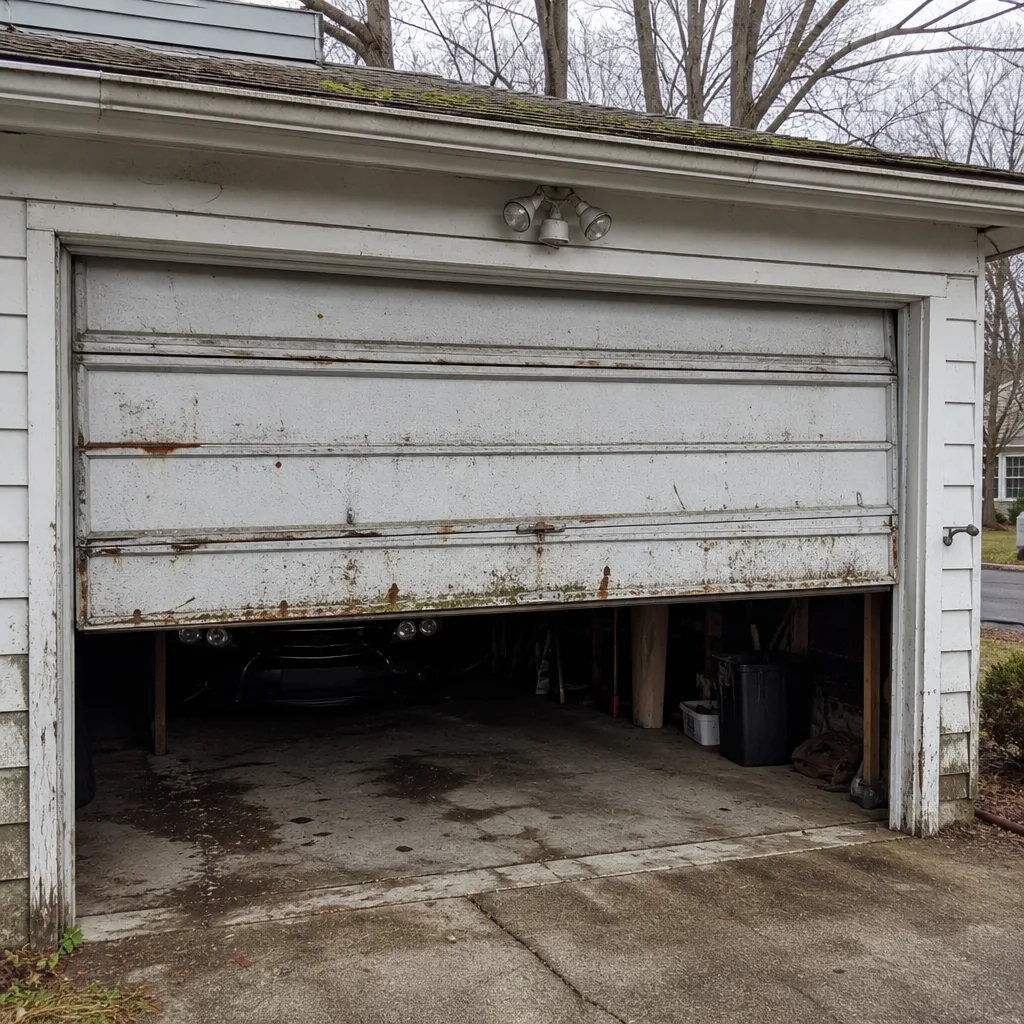
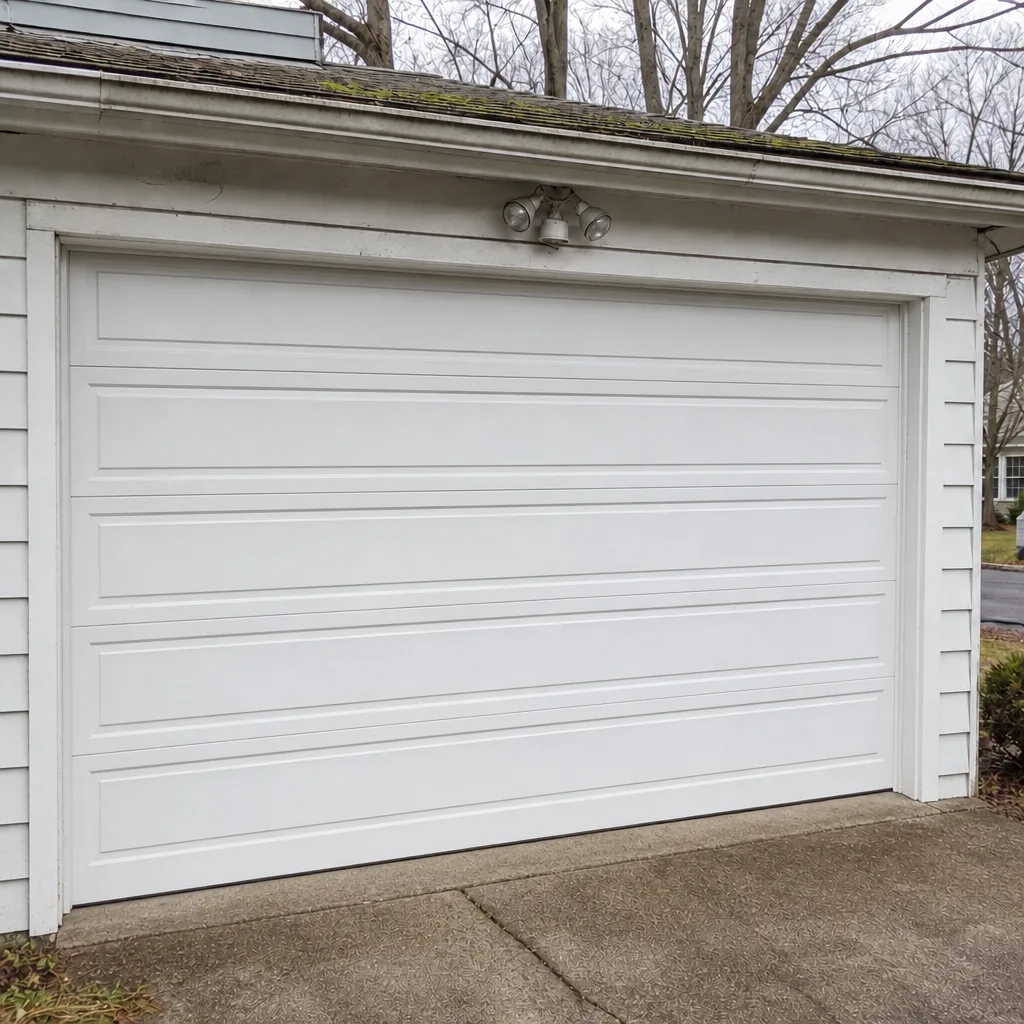
See the difference
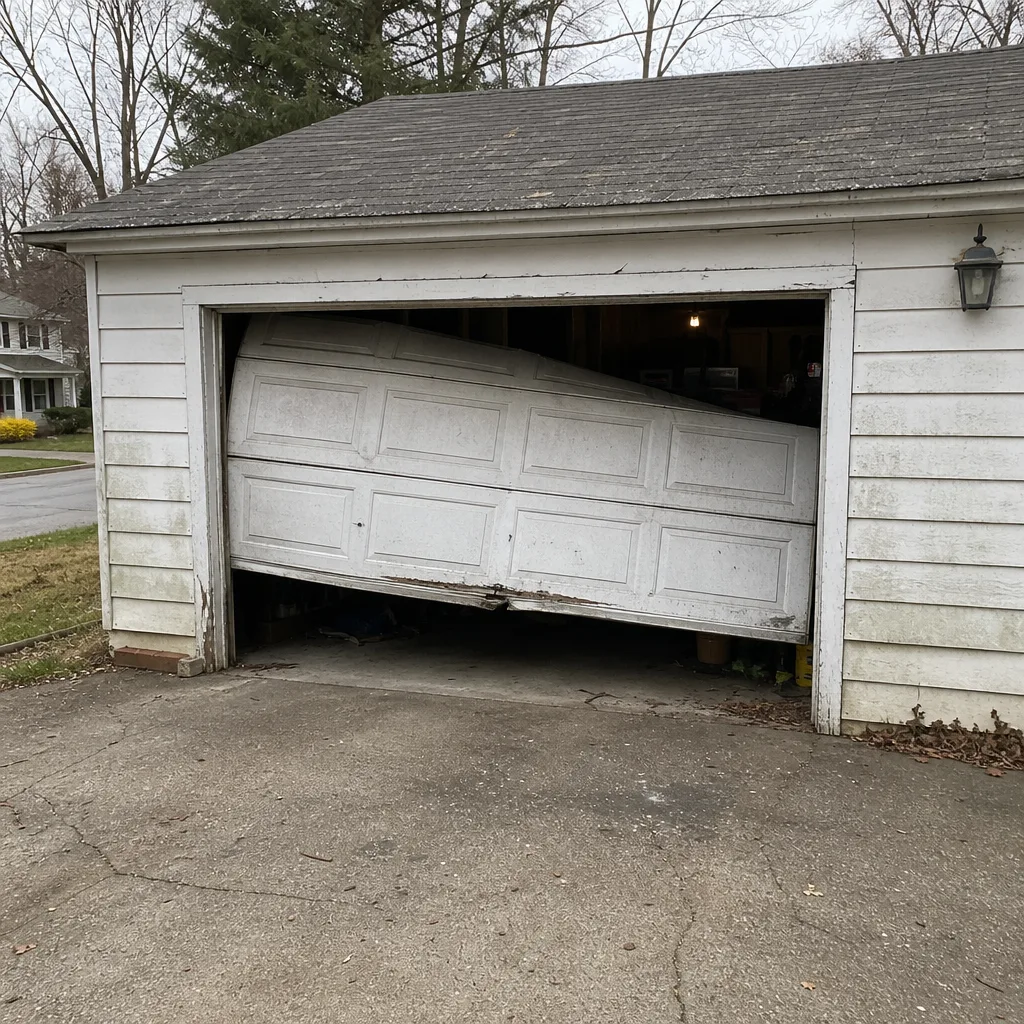 Before
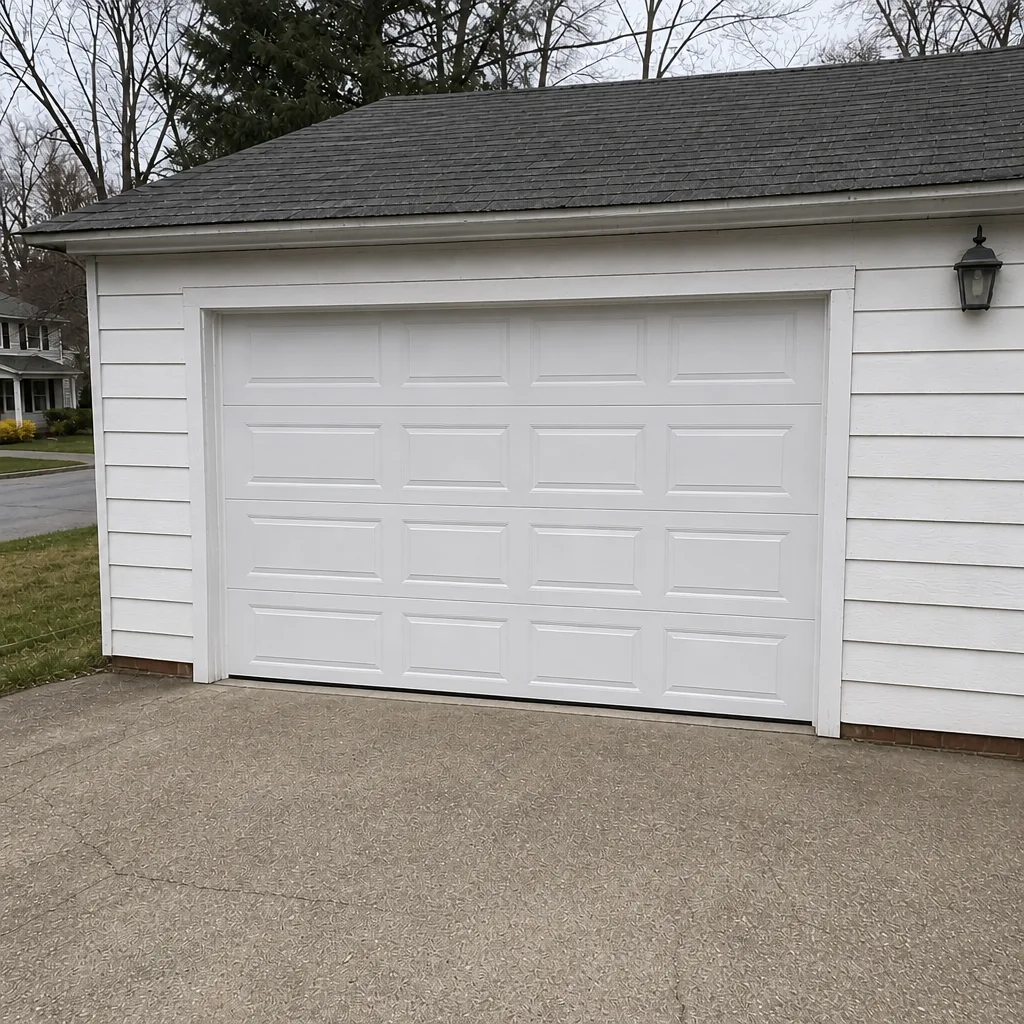 After
 Before
 After
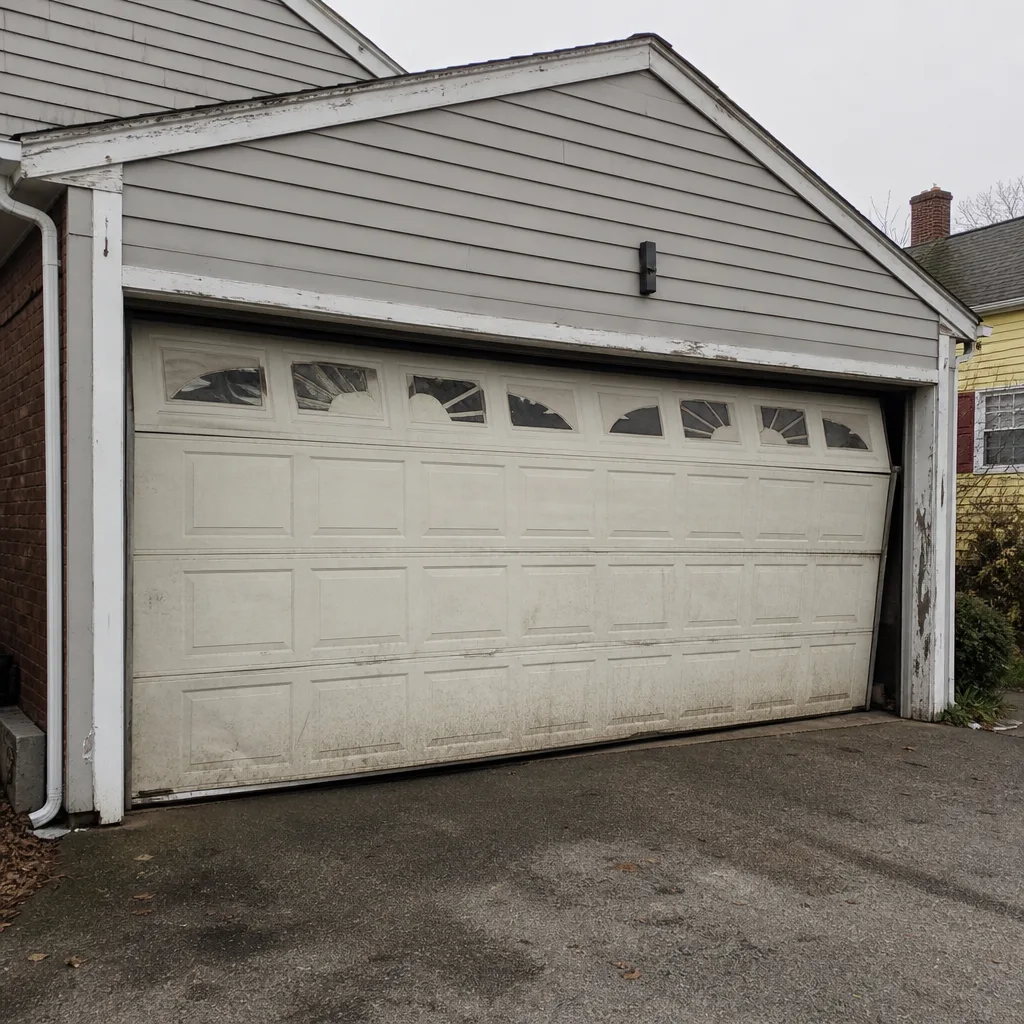 Before
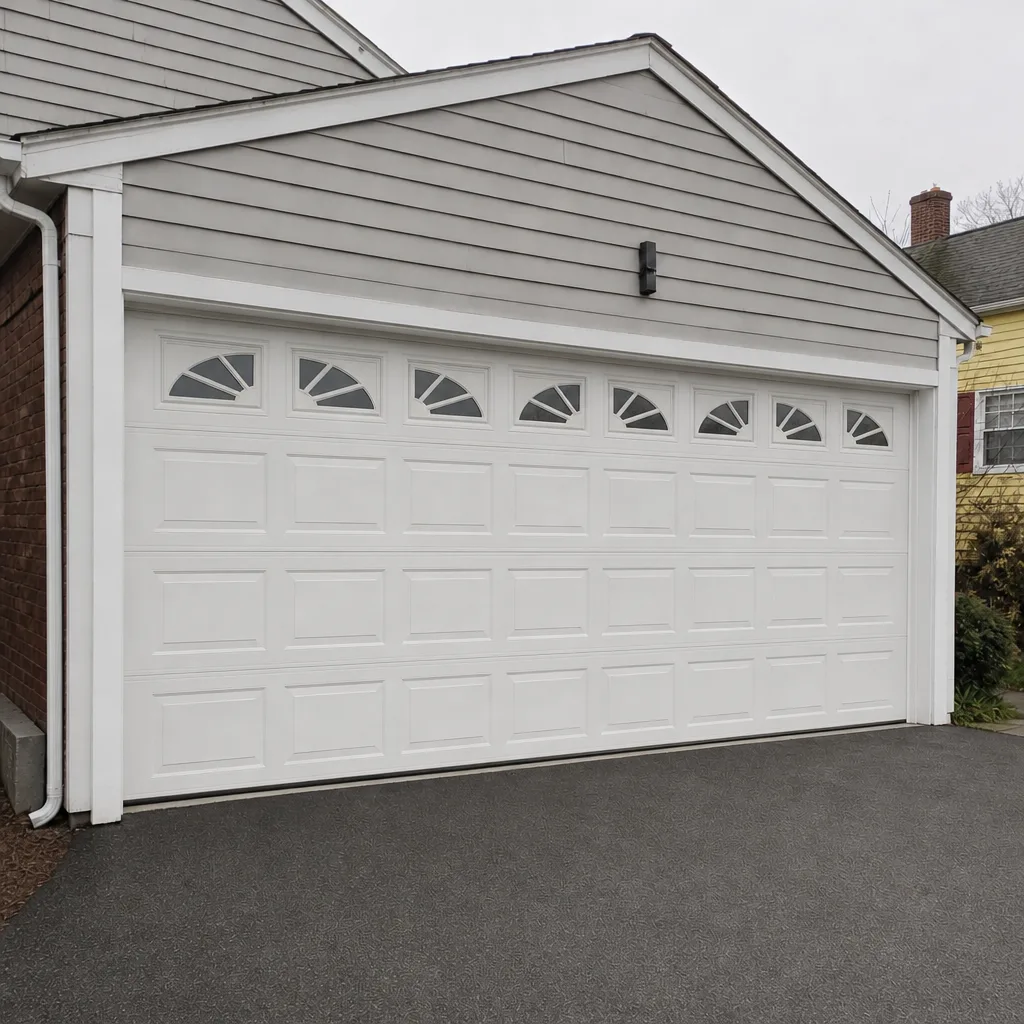 After
When to Call a Professional
Call a professional for anything involving a torsion or extension spring, a lift cable, a bottom bracket, or a door that’s come off its track. Call for a bent track that binds the door or lets a roller escape, and for any door that sits crooked or sags at one corner, because those usually point to a spring or cable problem rather than the track itself. Call for opener work where the wiring is unclear or the door is heavy enough to need a matched opener. And call immediately if the door is stuck open and your home isn’t secure. Newton Garage Door Repair Pros offers free estimates in Newton. Call (855) 337-1889 and we’ll take a look, quote a price in writing, and agree on it with you before any work starts.
Frequently Asked Questions
No, replacing a torsion spring yourself isn’t safe, even if you’re handy. A torsion spring holds 150 to 300 ft-lbs of torque, and if a winding bar slips while you’re winding or releasing it, the spring can release that energy instantly and cause serious injury. Spring work is best left to a trained technician. Call (855) 337-1889 for a free estimate.
Lubrication, safety-sensor alignment, travel-limit adjustment, remote and keypad programming, and testing the door’s reverse function are all safe for a homeowner. None of them involve stored spring energy or parts under load. Anything that requires releasing tension on a spring, cable, or bottom bracket should go to a professional. Call (855) 337-1889 if you’re unsure which category a job falls into; estimates are free.
Extension springs store energy along the horizontal track, and older setups sometimes lack the safety cables that contain a broken spring. Removing one that’s still under tension means releasing that force with no backup if something slips. That combination is what makes an older extension-spring removal especially risky. Call (855) 337-1889 for a safe assessment.
It can. The most common problem is a miswired safety-sensor loop, which is exactly the kind of installation error that voids an opener’s warranty on many models. If the sensor wiring or the loop is wrong, the door may refuse to close or close when it shouldn’t. Call (855) 337-1889 if you want the install done and the loop tested correctly; estimates are free.
A shallow dent that doesn’t affect the door’s travel is often cosmetic. A track that binds the door, lets a roller pop out, or pairs with a door that sits crooked or sags is a safety issue. If the door jerks or the roller rides the track edge, stop using the door. Call (855) 337-1889 to have it looked at.
Stop using the door. Disengage the opener with the manual release if the door is stuck mid-travel (only if the door is down), keep people and pets clear of the opening, and don’t touch the spring, cable, or bottom bracket. Never force a stuck door. Call (855) 337-1889 and we’ll get a trained technician out to assess it.
The Bottom Line
The DIY-versus-pro question comes down to the parts that hold stored energy. Springs, cables, and bottom brackets are in a different category from lubrication and sensor work, and no amount of homeowner skill closes that gap. Handle the small tasks yourself when you’re comfortable; hand off the spring-and-cable jobs to a trained technician. The cost math on opener work is likewise conditional: like-for-like replacement is fair game, but a miswired sensor loop or a mismatched opener can cost more than doing it right. When you’re ready to have the mechanical side checked, call Newton Garage Door Repair Pros at (855) 337-1889 for a free estimate in Newton.
Choose the Right Help for Your Newton Home
The work on your garage door breaks down neatly once you know where the energy lives. If you’re staring down a spring, a cable, a track, or an opener that needs a professional eye, we can help. We work on your brand across eight of the most widely installed residential lines, including LiftMaster, Chamberlain, Genie, Clopay, Amarr, Wayne Dalton, Craftsman, and Raynor. Our technicians have up to 8 years of experience, and our scope runs from a single spring to a full door installation. We can work with your schedule and your situation, including urgent failures. Call (855) 337-1889 for a free estimate and a written price you agree to before any work starts. Stop by Newton Garage Door Repair Pros for the full picture of what we do.
Written by the team at Newton Garage Door Repair Pros.