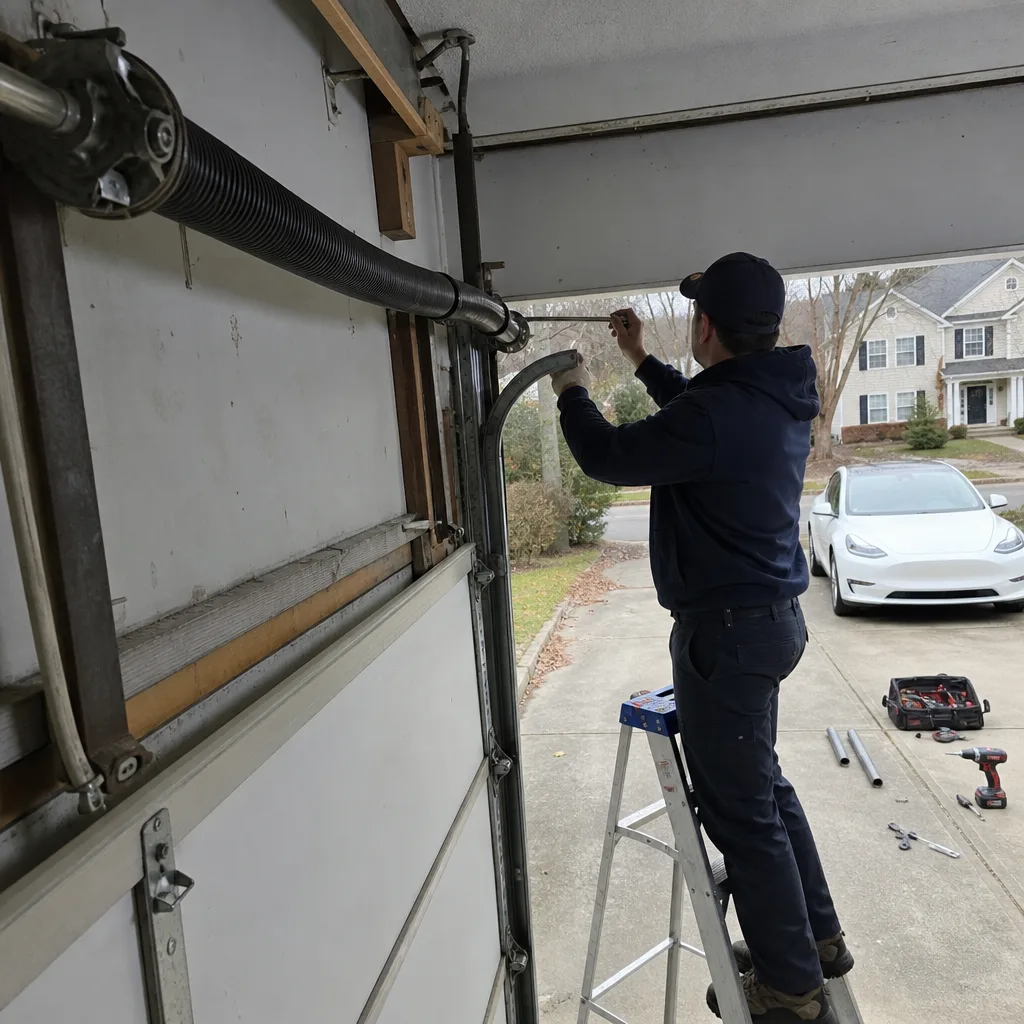
Last updated November 22, 2026
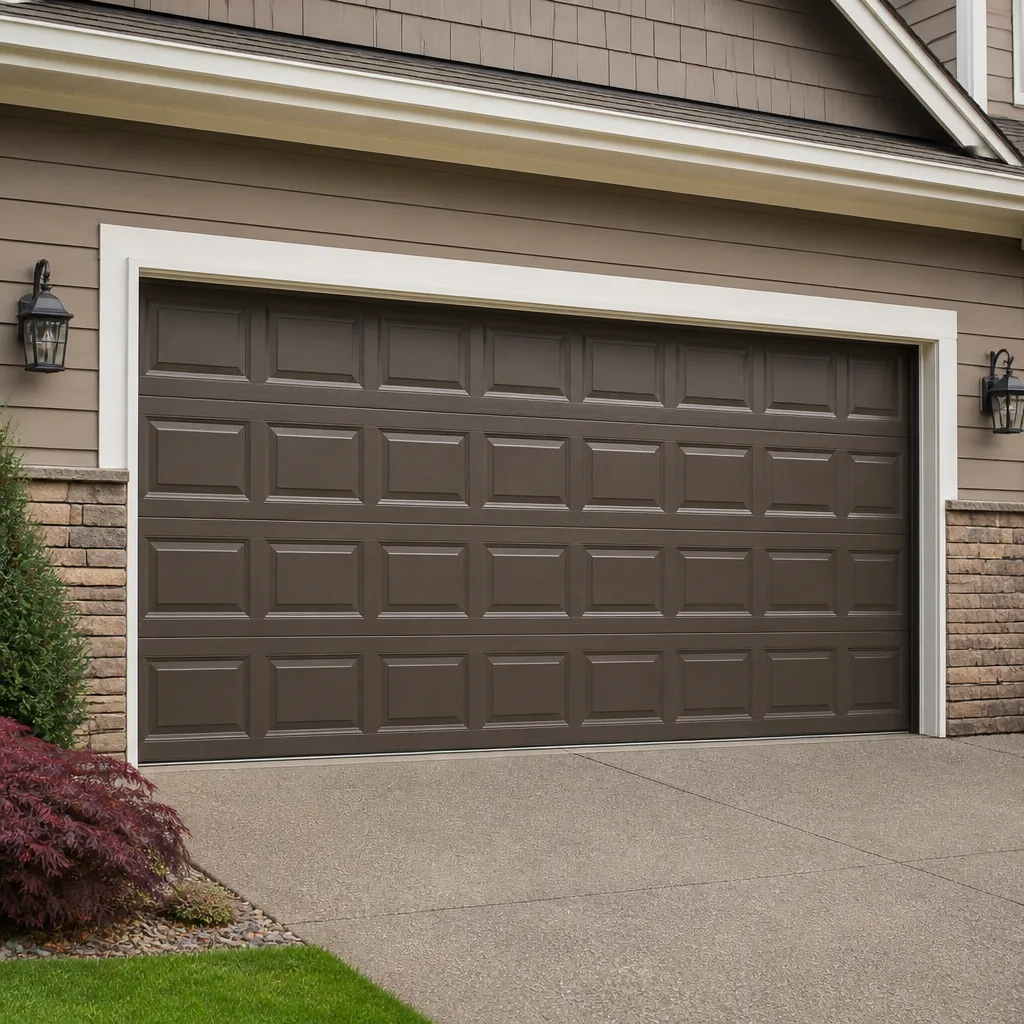 Raised-panel steel
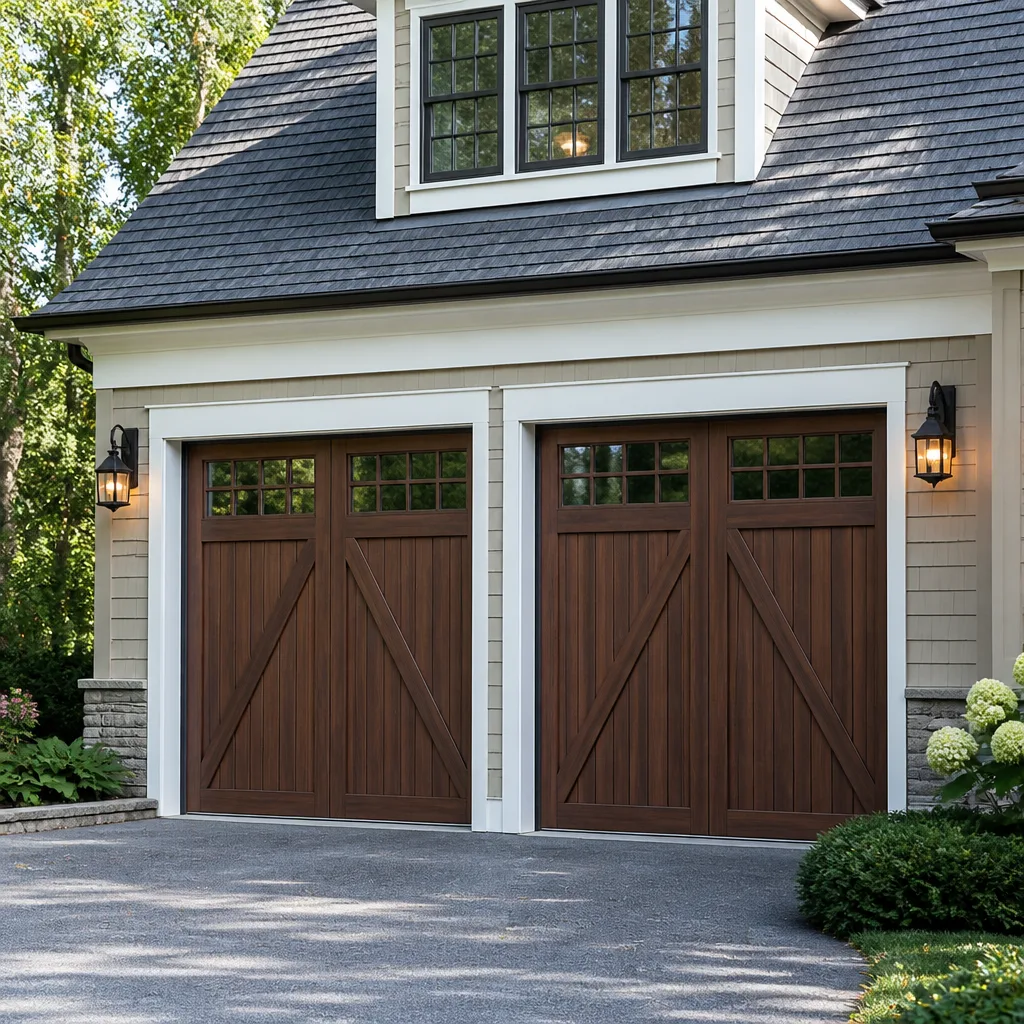 Carriage house
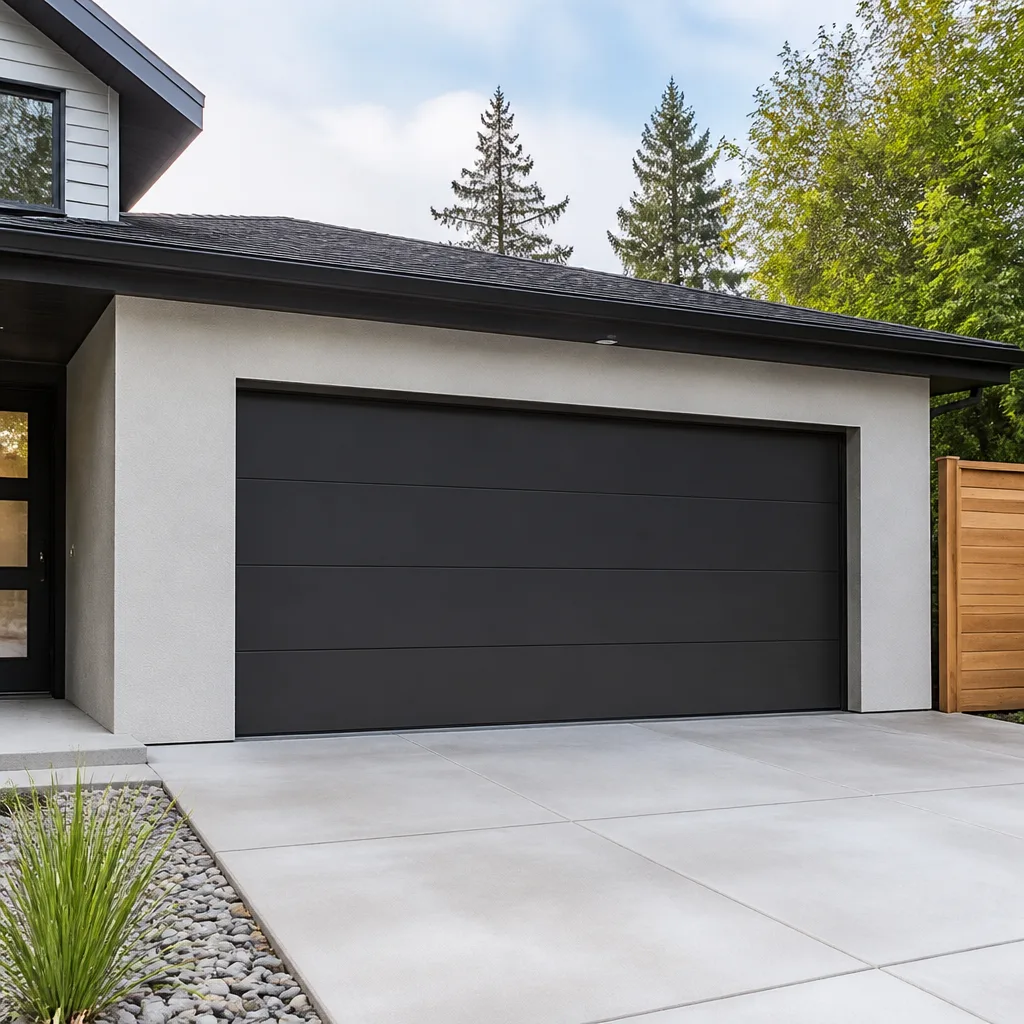 Modern flush
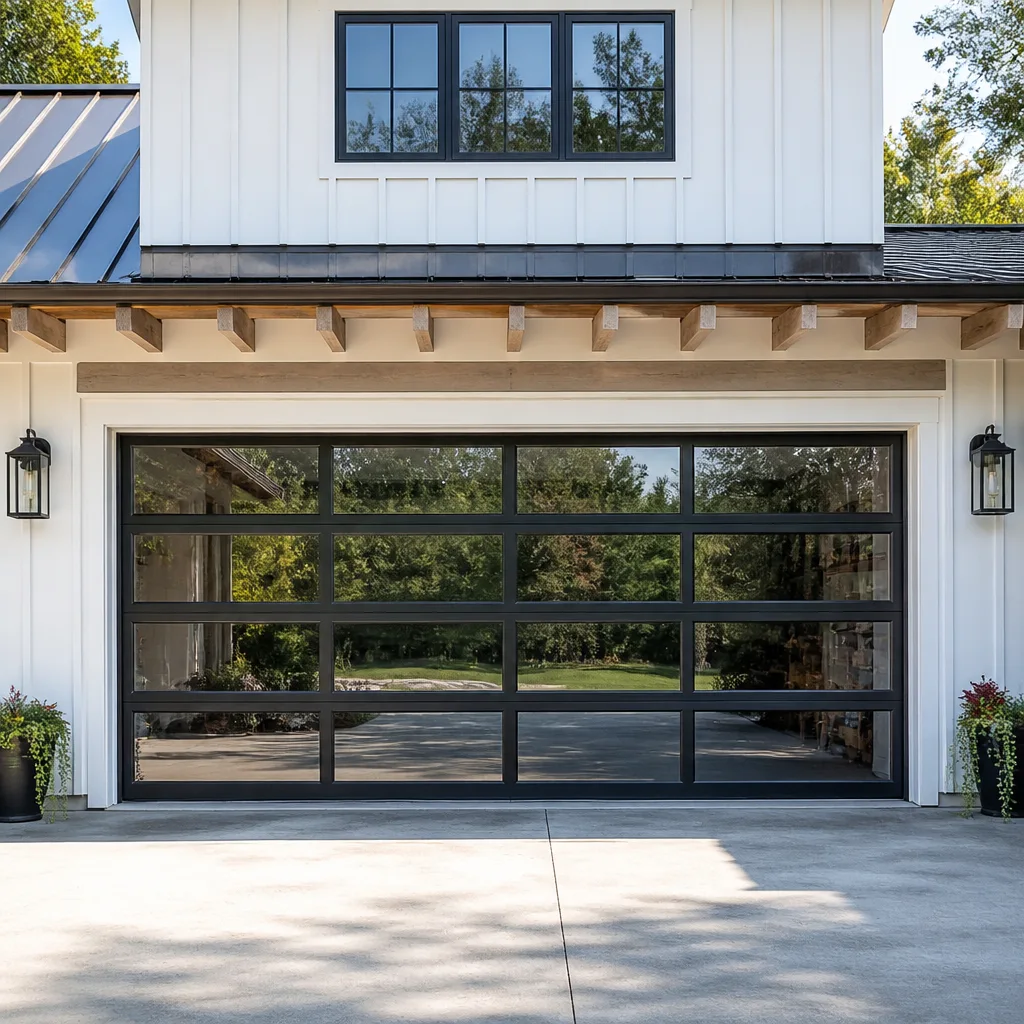 Full-view glass
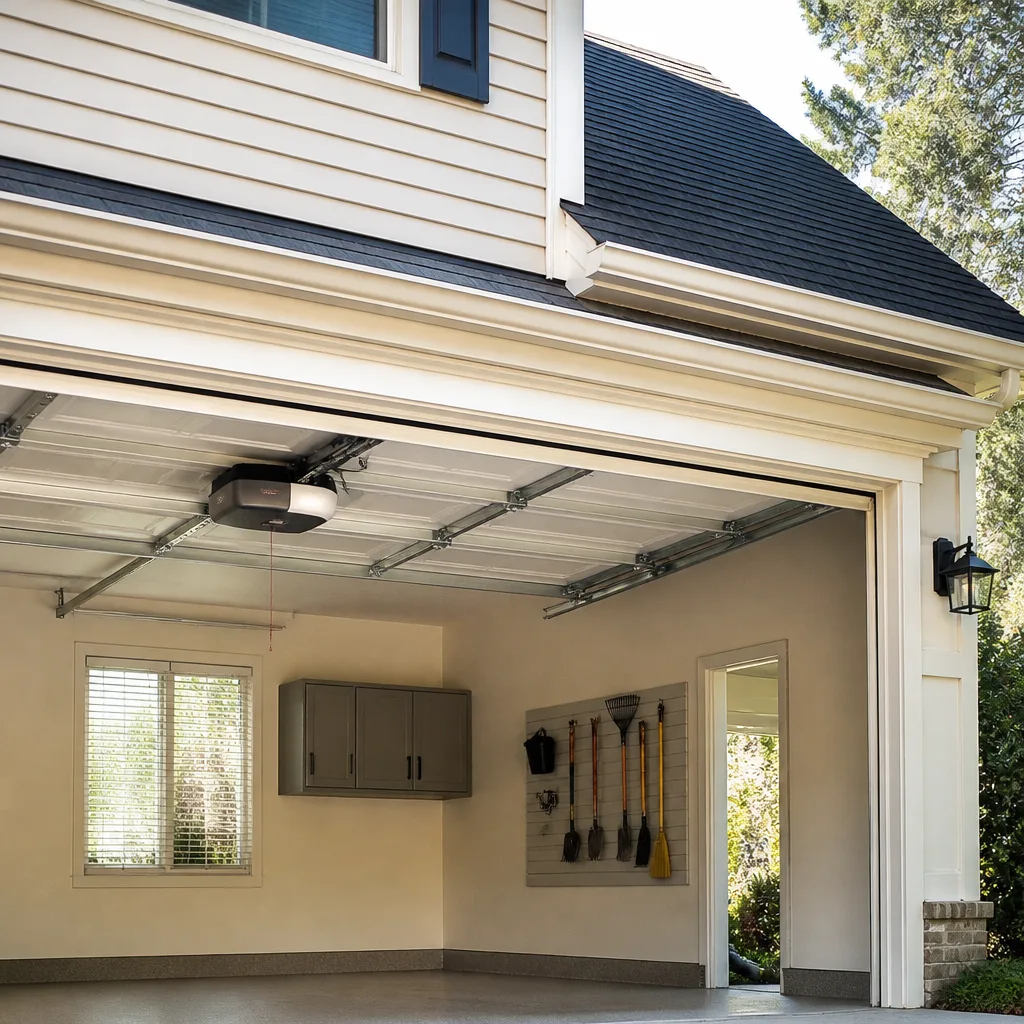 LiftMaster openers
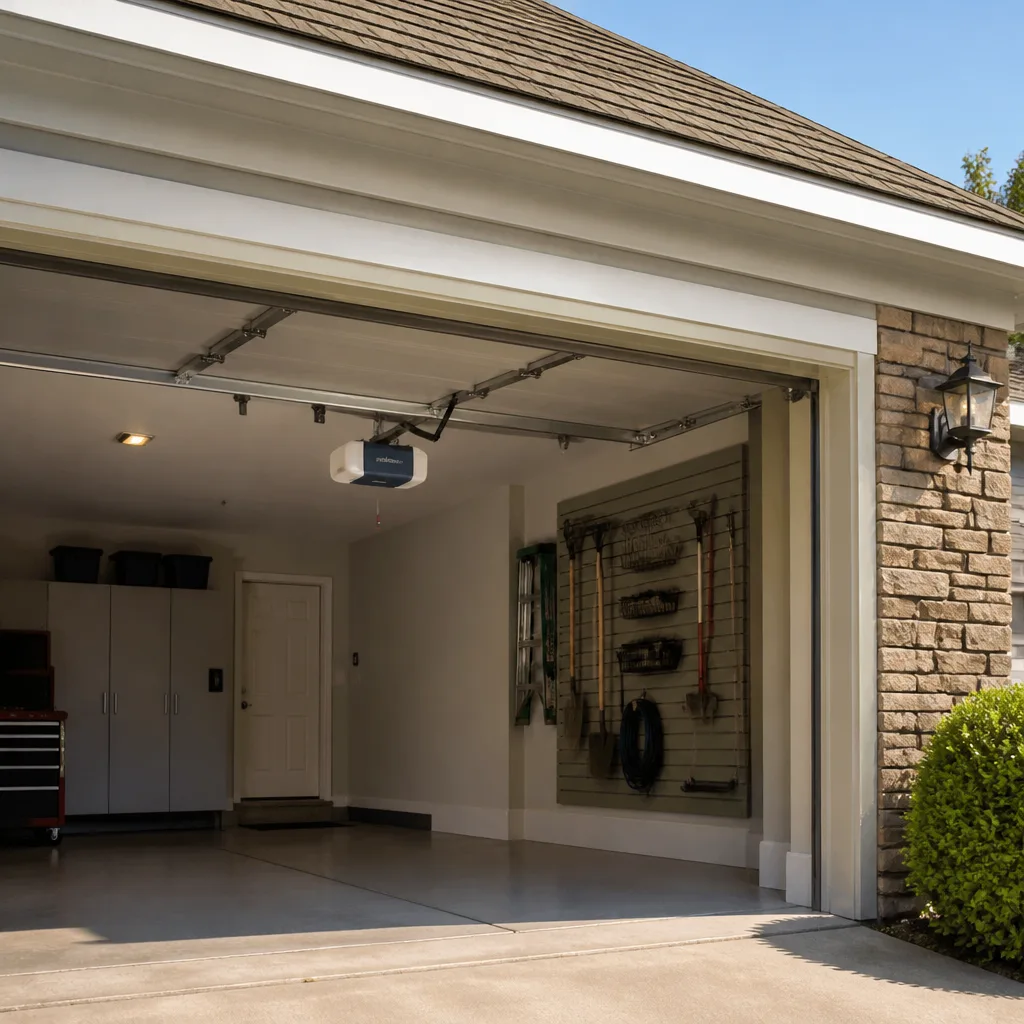 Chamberlain openers
Full 25-point door and opener safety check with every visit - springs, cables, rollers, tracks, and your LiftMaster or Chamberlain opener included
You get a price before we start. It does not change when the pro arrives.
Get your free estimateGarage Door Warning Signs: A Newton Homeowner’s Reference Guide
A grinding noise and a slow door are not the same problem, even though most warning-sign articles fold them into one list. One is often a dry roller you can address with a lubricant. The other can point to a torsion spring under uneven tension, holding stored energy that makes it genuinely dangerous to be near. Newton homeowners get pushed toward an emergency call for both, and that’s a bad way to decide what to do at 7 a.m. on a workday. This guide sorts garage door symptoms into three severity tiers, explains how to read each one, and shows you the inspections you can safely do yourself from inside the garage.
Quick Answer
Garage door warning signs fall into three tiers: cosmetic issues you can monitor (squeaks, minor vibration, a slow roller), problems worth scheduling within a week (a door that drifts to one side, a flashing opener light, worn rollers), and stop-now conditions where you should leave the door closed and call a professional (a snapped spring, a frayed cable, a door hanging off its track, or any door that reverses for no reason). In Newton, the difference between tier 2 and tier 3 usually comes down to what’s happening with the springs, cables, and track rather than the opener itself.
Styles & brands we work with
- Raised-panel steel
- Carriage house
- Modern flush
- Full-view glass
- LiftMaster openers
- Chamberlain openers
Table of Contents
- The Three Tiers of Garage Door Problems
- Tier 1: Symptoms You Can Monitor
- Tier 2: Schedule Service Within a Week
- Tier 3: Stop Using the Door Now
- Worn Rollers vs. Bent Track: How to Tell From Inside
- The Sound of a Spring Under Uneven Tension
- What Door Drift Tells You About Cables and Track
- Opener Warning Signs: Flashing Lights, Error Codes, Force Reversal
The Three Tiers of Garage Door Problems
Most garage door failures announce themselves well before they happen. The problem is that all those announcements sound roughly the same to a homeowner who hasn’t spent years listening to them. A squeal at the top of travel and a creak halfway down can come from completely different components with completely different urgency. Sorting symptoms by severity is the single most useful thing you can do before you call anyone, because it tells you whether you’re describing a maintenance item or an active hazard.
Here’s how we frame the three tiers when we talk to a Newton homeowner on the phone:
- Tier 1 – monitor: the door still operates normally, the noise is new or louder than usual, nothing is visibly bent or loose, and the door travels up and down evenly. Address it with routine maintenance or bring it up at your next service.
- Tier 2 – schedule within a week: something has changed in the door’s movement or sound, and the door is still working but no longer working the way it should. Continuing to cycle it daily will likely make the repair bigger.
- Tier 3 – stop cycling the door: a component has visibly failed, the door is physically unstable, or the opener is behaving in a way that indicates the safety reverse system isn’t reliable. Don’t run the door until a technician has looked at it.
Newton’s housing stock spans almost every era from Victorian to new construction, and that matters for which tier a symptom lands in. A door on a century-old carriage-house frame with an older extension spring setup is generally less forgiving of a misalignment than a modern door on a steel track, because the tolerances in the old wood framing have already moved. We see this most often in the older neighborhoods near Newton Centre and Newtonville, where the garage structure itself has settled over time. What would be a tier 1 vibration in a newer Waban garage can be a tier 2 alignment issue in a house where the header has sagged an inch.
Tier 1: Symptoms You Can Monitor
Tier 1 symptoms are the ones that don’t justify an emergency call but shouldn’t be ignored for a year either. They’re usually about lubrication, wear on consumable parts, or minor seasonal changes. Newton’s freeze-thaw cycle from December through March pushes the top of this list every year – a door that ran quietly in October often gets louder and stiffer by January as the metal contracts and the lubricant in the hinges and rollers thickens. If the noise appeared with the first cold snap and the door still runs level, that’s a classic tier 1.
Common tier 1 symptoms include:
- A high-pitched squeak at a consistent point in the door’s travel, usually from a dry hinge or roller bearing.
- A low rattle or vibration that started after the temperature dropped and is worse in the morning.
- A thumping sound as the door passes a specific height, often a slightly flat spot on a steel roller.
- A door that opens and closes but seems slower than it used to, without any change in how it tracks.
- Minor cosmetic wear: peeling paint at the bottom panel, a small dent, a sun-faded section on a south-facing door.
What you can safely do at this tier is look and listen. With the door closed and the opener disconnected (pull the red release handle to disengage it), walk the inside of the garage and check that no bolts are obviously loose, no roller has jumped its track, and nothing is hanging from the springs. Don’t attempt to adjust springs or cables yourself. The springs are under high tension even at rest, and the cables are carrying that tension. If the sound persists after a cold snap, it’s worth bringing up when you next have the door serviced.
Tier 2: Schedule Service Within a Week
Tier 2 is the in-between zone, and it’s where most preventable garage door failures start. The door is still working, but something has changed that tells you a component is on its way out. A roller that has worn through its bearing, a track that has been nudged out of alignment, an opener gear that’s starting to strip, a cable that’s developed a kink – these all fall into tier 2 because continuing to run the door daily accelerates the wear and usually turns a modest repair into a major one.
Signs that belong in tier 2:
- A door that moves a few inches to one side during travel and then corrects itself at the top or bottom.
- A visible gap between the door and the frame on one side when the door is fully closed.
- Rollers that look worn, cracked, or noticeably flat where they meet the track.
- A single flashing light on the opener or a diagnostic error code that repeats.
- A grinding sound that’s consistent rather than intermittent, especially near the opener motor.
- A cable that looks kinked, has a visible frayed strand, or appears slack when the door is up.
The reason we put cable issues in tier 2 rather than tier 1 is that a frayed cable can fail suddenly and without warning. It’s the kind of thing that can be cleaned up on a Friday and become a tier 3 problem on a Tuesday. In our experience, the Newton homeowners who schedule this tier within a week avoid the calls that happen at 6 a.m. with a car trapped inside the garage. Our technicians have up to 8 years of experience, and most of the calls that start with “the door won’t come up” get traced back to a tier 2 symptom that was visible for a month.
If you’re scheduling at this tier, it’s worth knowing that our garage door repair service handles the full range of these issues – roller replacement, track realignment, cable swaps, and hinge work – in a single visit. We quote the price before work starts, so you’re not guessing at the cost when the technician arrives.
Tier 3: Stop Using the Door Now
Tier 3 is the stop-cycling-now tier. These are the situations where the door is either physically unstable or the mechanism has visibly failed, and the safest thing you can do is leave it where it is, keep everyone away from the moving parts, and call for service. In Newton, this most often happens after a torsion spring snaps (usually with a loud bang, like a gunshot in the garage), after a cable lets go (the door drops unevenly and hangs off one side), or after a car has backed into the door and knocked a panel out of its track.
Stop using the door immediately if you see or hear any of these:
- A loud snap followed by the door refusing to lift, or lifting only a few inches. That’s a broken torsion spring. Do not try to lift the door by hand – it will weigh more than you expect, and pulling on a door with a broken spring can bend the panels.
- A cable hanging loose from the drum, or a cable that has visibly snapped. The door is now held up by one side only and can come down unexpectedly.
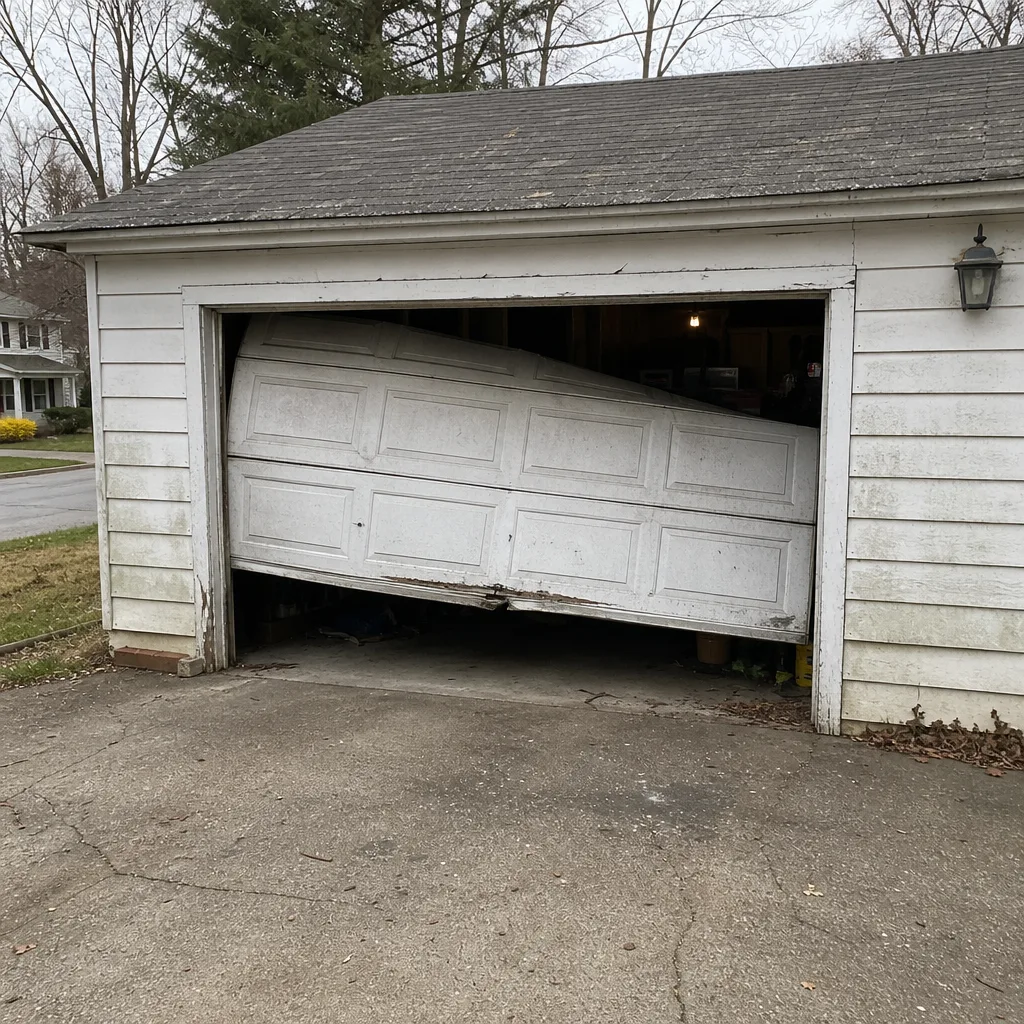
- The door visibly off its track on one side, especially if it’s leaning or resting at an angle.
- The opener running but the door not moving at all. Something in the drive chain, belt, or screw has failed, and continuing to run the motor can strip the gear.
- The door reversing immediately when it meets any resistance, or failing the photo-eye safety test. That’s a safety system failure and is a hard stop.
If any of these happen outside normal business hours, our emergency garage door service exists for exactly this scenario – a door that’s stuck open and compromising the security of the house, or a door that’s jammed in the tracks and blocking the car. Call us and we’ll get a technician scheduled. If you can safely leave the door in its current position and secure the garage another way for a few hours, that’s often better than trying to force the door closed.
Worn Rollers vs. Bent Track: How to Tell From Inside
Worn rollers and bent track produce similar symptoms – rough travel, a grinding or scraping noise, sometimes a door that jumps slightly – but the fix and the urgency are different. A worn roller is a maintenance item you can plan. A bent track can trap the door, stress the cables, and in bad cases let a panel come down. The good news is that you can usually tell which one you’re dealing with by looking at the door from inside the garage with the door closed and the opener disconnected.
Here’s the inspection, in order:
- Look at the track from the door’s perspective. Crouch at the bottom of one vertical track and sight up the length of it. On a straight track, the inner edge should look like a single line. If it looks like it kinks or bows outward at any point, the track is bent. Do the same on the other side.
- Look at each roller where it sits in the track. A healthy nylon roller is smooth and round; a worn one is flattened on one side, cracked, or has visibly dark grease leaking from the bearing. A steel roller that’s worn will show a flat spot or a wobble.
- Check the gap between the roller and the track. A worn roller tends to sit loose in the track and rattle. A bent track will have a visibly tight spot where the roller is being pinched.
- Look at the hinges. Loose hinges will let the door sag slightly and pull rollers out of alignment. A hinge that’s separated from the panel is a tier 2 issue on its own.
What you’re looking for is whether the problem is in the door (rollers, hinges) or the frame (track). If the track is bent but the rollers look fine, the door needs a track repair before it needs new rollers. If the rollers are worn but the track looks straight, it’s a roller replacement. If both, the door likely needs a track realignment and a set of rollers. The two jobs are cheaply done together, which is why we usually do them in one visit rather than dispatching for one and coming back for the other.
The Sound of a Spring Under Uneven Tension
This is where the tier system earns its keep. A torsion spring that has already snapped makes one sound: a loud, sharp bang, followed by a door that won’t lift. A torsion spring that’s about to snap often makes a different sound for weeks before it goes, and that sound is much harder to notice unless you know what you’re listening for. The distinction matters because one is a tier 3 emergency and the other is a tier 2 service call that can prevent the emergency entirely.
What to listen for on a torsion spring system, which is what most Newton homes have:
- A creak that repeats at the same point in travel. This usually means the spring is winding unevenly, often because one side has lost tension or the spring has a flat spot. It’s a tier 2 symptom.
- A metallic clank on the first cycle of the day. Cold mornings make under-tensioned springs more obvious. If the clank goes away after 2-3 cycles, note it and mention it at your next service.
- A rhythmic click-click-click as the door goes up. That’s usually the spring coils binding on each other, which accelerates wear. Tier 2.
- No sound at all, but the door is heavier than it used to be. If the door feels heavy when you disconnect the opener and lift it by hand (only do this if it’s safely balanced – if it’s not, don’t), the spring has lost tension. Tier 2, but move it up the list.
- A single loud bang, then the door won’t lift. Tier 3. The spring has broken. Do not run the opener.
What you should never do is try to wind, unwind, or adjust a torsion spring yourself. Even at rest, a torsion spring on a standard residential door carries energy that can cause serious injury if it releases unexpectedly. This is one of the most commonly botched DIY repairs we see, and it’s also the reason we treat garage door spring repair as a separate specialty rather than part of general repair. The tools and technique are specific, and the safety margin is thin. If you suspect the spring, call a technician.
What Door Drift Tells You About Cables and Track
Door drift – a door that moves slightly to one side during travel, or that doesn’t sit square in the frame when closed – is a diagnostic goldmine. It almost always points to one of two systems: the cables that balance the door, or the track that guides it. Figuring out which is which comes down to when the drift happens and how it feels when it happens.
Here’s how to sort it:
- Drift that starts at the bottom and corrects by the top: usually a cable tension issue. One cable is pulling slightly tighter than the other, so the door angles toward the tighter side. If the cables look equally tensioned but the door still drifts, the drums at the top of the spring may have lost a wrap.
- Drift that happens in the middle of travel but not at the ends: usually a track alignment issue. A track that’s out of plumb in the middle will let the door drift and then push it back into alignment as it approaches the end.
- Drift with a visible gap on one side when closed: often a panel or hinge issue rather than cable. Look for a hinge that’s pulled loose from the panel, or a panel that’s been knocked slightly out of square.
- Drift that’s worse in cold weather: most likely cable tension, because the door’s metal panels expand and contract at slightly different rates than the steel cables.
In Newton, we see cable-driven drift more often in the winter (February is the busiest month for it) and track-driven drift more often after a summer of heavy use. What you should not do at home is adjust the cable tension to correct the drift. The cables are under the same stored energy as the springs, and a slack cable can snap with the same violence. If the drift is consistent and visible, that’s a tier 2 service call. If the door is visibly out of its track, that’s tier 3. If the drift has been there for months and the door still works, that’s tier 1 – just mention it at your next service. Our garage door repair team can look at the cables and track together, since the two often need adjustment as a pair.
Opener Warning Signs: Flashing Lights, Error Codes, Force Reversal
The opener is the electronic brain of the system, and it’s surprisingly chatty about what’s wrong. Most residential openers have a diagnostic light or a set of LED codes that will tell you exactly which safety circuit has tripped. The problem is that most homeowners don’t know the code table for their unit. In Newton, the openers we see most often are LiftMaster, Chamberlain, Genie, and Craftsman, and each of those has a slightly different code language – a flashing pattern that means “photo eye blocked” on one brand can mean something completely different on another.
Here’s a quick decoder for the four major brands:
- LiftMaster and Chamberlain: typically use a repeating diagnostic flash count on the main light, with the number of flashes corresponding to the specific fault (photo eye, safety reverse, travel limit, or logic board). The manual has the exact table.
- Genie: uses a code display on some models and a flash sequence on others. Genie often flashes a code for a force-reversal trip even when the door itself is fine, especially if the door has gotten heavier in cold weather.
- Craftsman: similar to Chamberlain (they share a lot of electronics heritage), with the flash count on the opener panel light as the primary signal.
- Raynor and Wayne Dalton: many of these are installed with either their own branded openers or a third-party unit, so the code system depends on which opener was paired with the door. Worth checking the wall control panel for the brand.
Force-reversal behavior is the one opener symptom that most homeowners misread. If the door reverses for no reason when nothing is in the way, that’s not the door being “temperamental” – it’s the safety system doing its job, usually because the door is heavier than it should be (worn springs, worn rollers) or because the force limits are set too low. Either way, it’s a safety system that needs attention. The door could reverse on a person. Same with a door that reverses on a closed-position obstruction – if you can’t trigger it with a test, the opener needs service.
If it’s an opener issue, our garage door opener repair handles all the major residential drive systems – chain, belt, and screw – across the LiftMaster, Chamberlain, Genie, and Craftsman platforms. When the opener has failed outright and the door won’t cycle, our emergency garage door service is the fastest route to getting the door working again. And when the door is fine but the opener is at the end of its life, we handle full installation, so you’re not sourcing a new unit and an installer separately.
Common Mistakes to Avoid
- Treating a noisy door as normal. A door that has been noisy for months is a door that’s been wearing out for months, and the repair is almost always cheaper at tier 1 than at tier 3. In Newton’s climate, we see far more preventable spring failures than sudden ones.
- Force-closing a door that’s off its track. Pushing a door back into its track by hand can bend the panel, bend the track further, and in a bad case let the door come down on you. Leave it where it is and call a technician.
- Trying to adjust the springs yourself. This is the single most dangerous thing a homeowner can do to a garage door. The spring holds the weight of the door, and it can release suddenly. We don’t say this to be dramatic – spring repairs done at home are consistently the source of the worst injuries we hear about.
- Calling an emergency line for a tier 1 symptom. A squeaky roller doesn’t need same-day emergency service, and paying emergency rates for a maintenance item is an unnecessary cost. Tier 1 is a regular service call; tier 3 is the emergency.
- Ignoring a flashing opener light. The opener is telling you exactly what’s wrong, and the code is in the manual. Pull the manual and match the flash pattern before you do anything else – it saves time on the phone and gets the right parts on the first visit.
- Assuming all openers speak the same language. A LiftMaster flash code and a Genie flash code for the “same” symptom can be different codes. When you call, tell us the brand and the flash pattern, and we’ll know what to expect before we arrive.
- Forgetting that the door is a system. The springs, cables, track, rollers, hinges, and opener all work together. A symptom in one is often caused by a problem in another. Fixing the symptom without checking the system is how a repair turns into a repeat call three months later.
See the difference
 Before
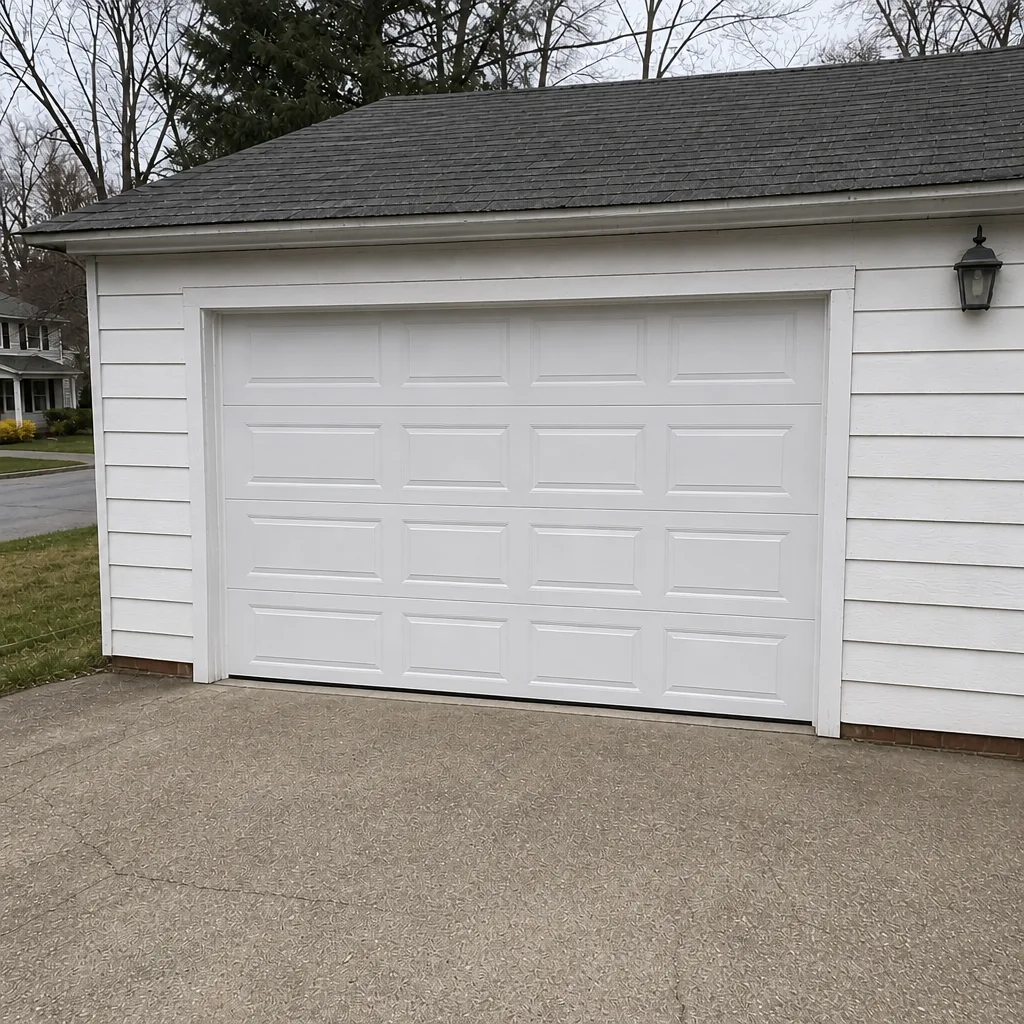 After
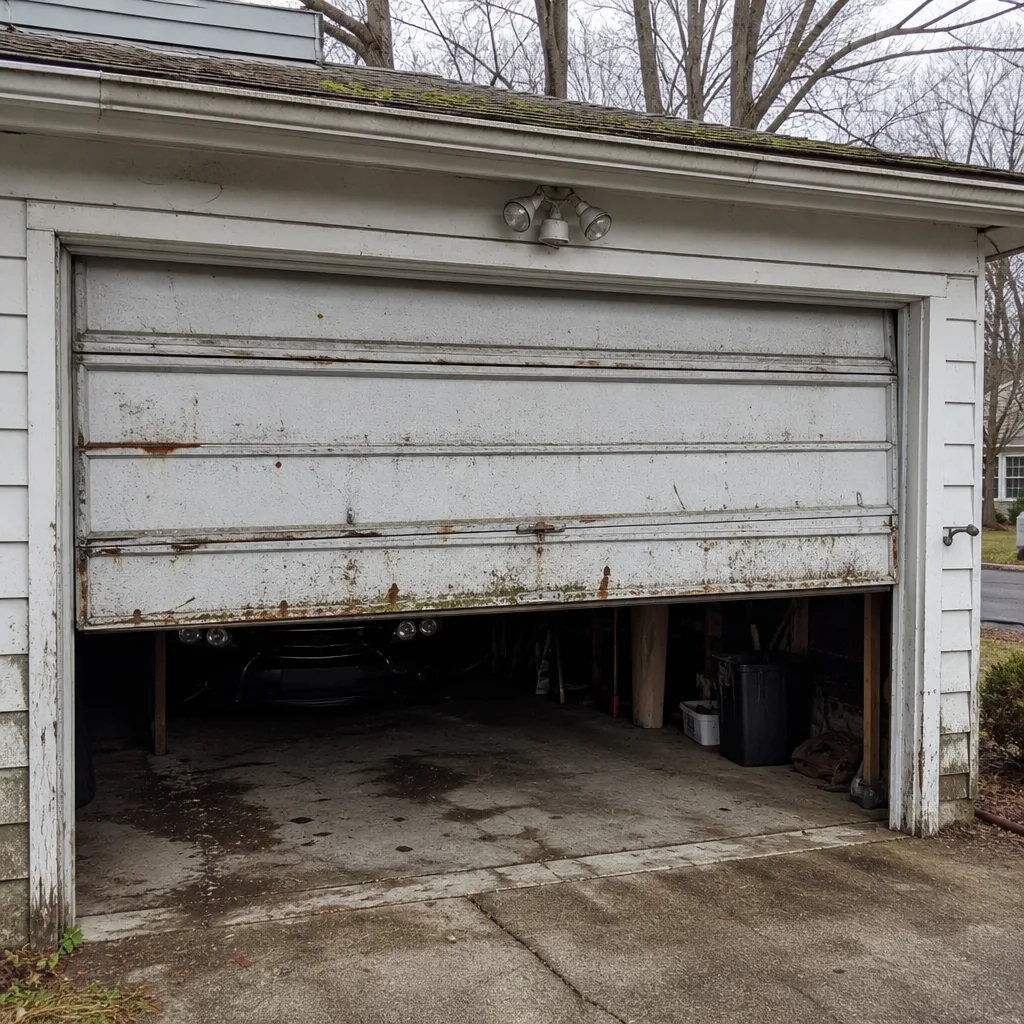 Before
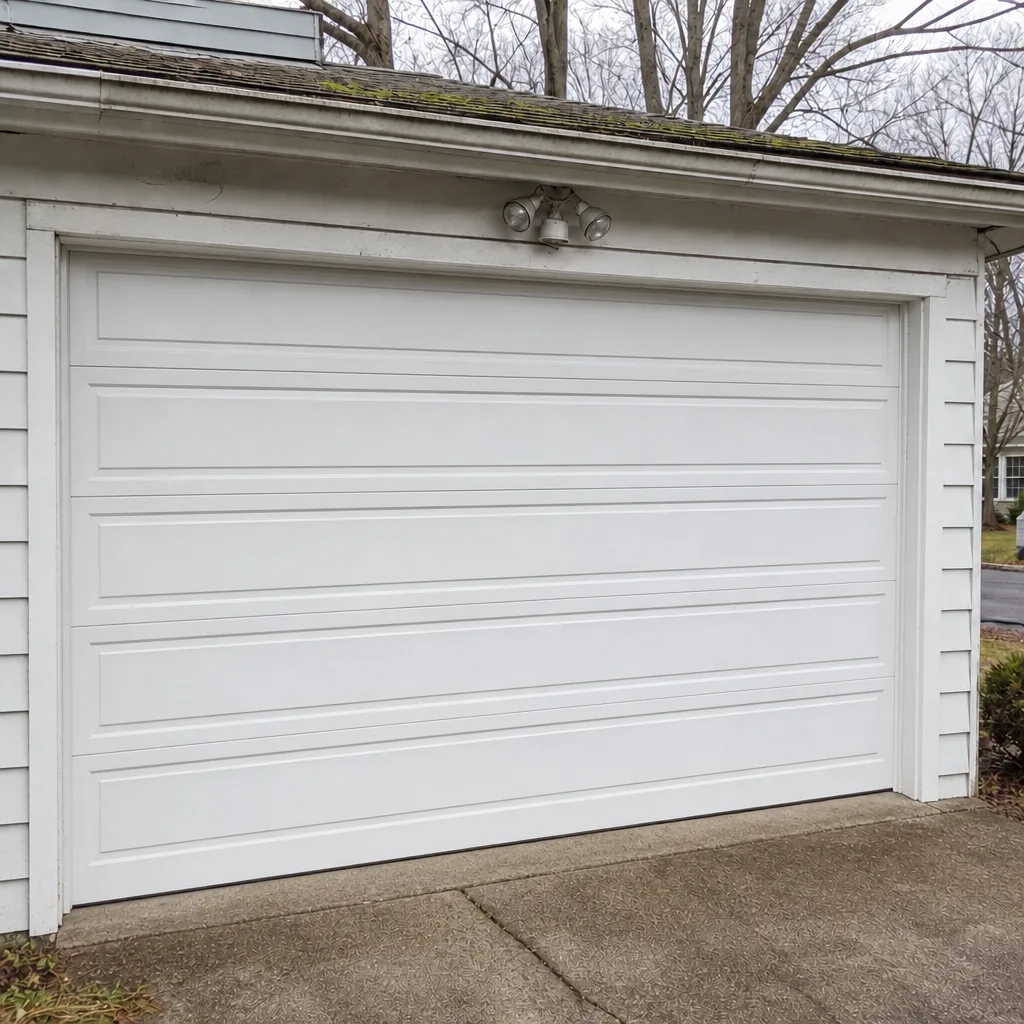 After
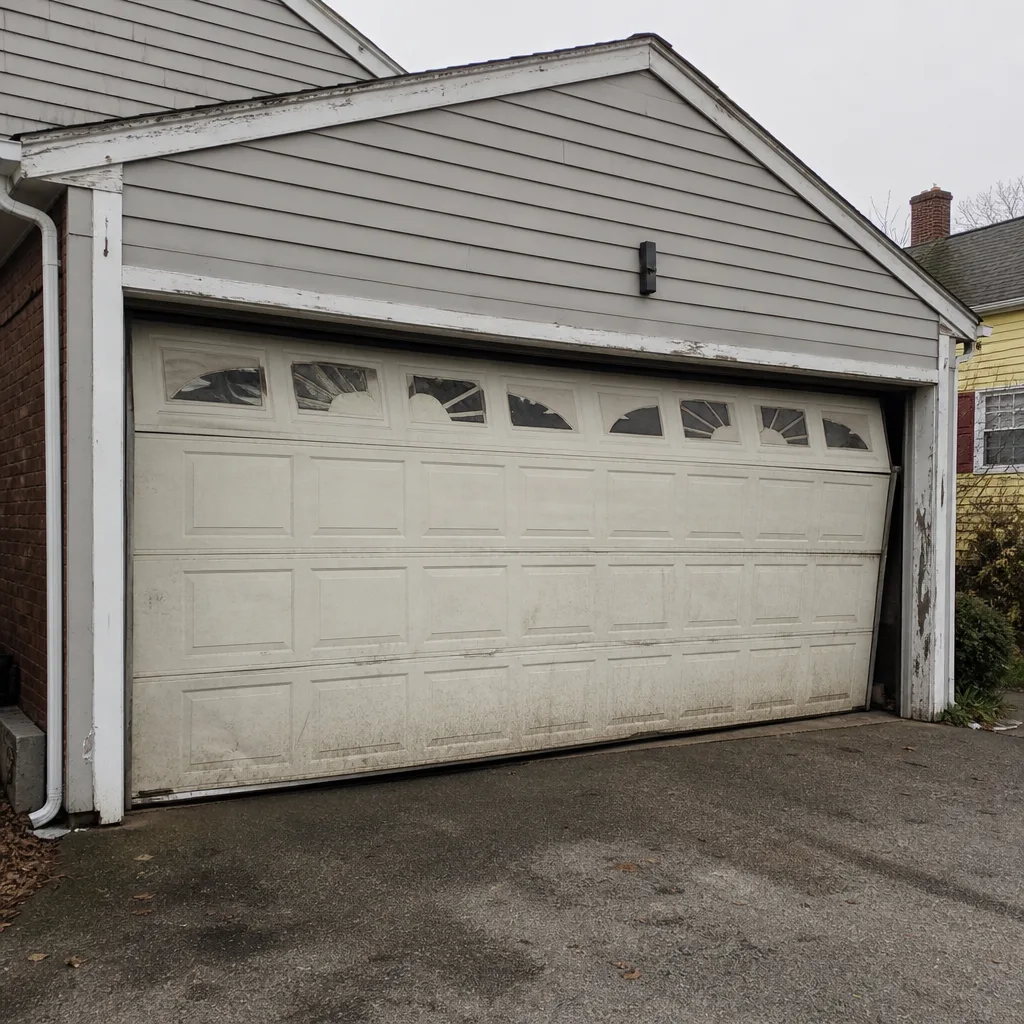 Before
 After
When to Call a Professional
Call a professional when the door has stopped operating normally, when any part of the spring or cable system looks compromised, when the track is visually bent or the door hangs off it, when the opener repeats an error code that doesn’t clear, or when the safety reverse system isn’t triggering reliably. Any of these is a reason to stop running the door and get a technician out. For the middle tier – the drift, the grinding, the worn rollers – a scheduled call within the week is the right move. For a snapped spring, a loose cable, or a door that’s visibly off its track, call now and don’t cycle the door.
Newton Garage Door Repair Pros offers free estimates in Newton – call (855) 337-1889. We work on LiftMaster, Chamberlain, Genie, Clopay, Amarr, Wayne Dalton, Craftsman, and Raynor systems, and we quote the price before any work starts.
Frequently Asked Questions
The most common tier-2 warning signs we see in Newton are a door that drifts to one side during travel, worn or flattened rollers, a single flashing opener light or repeating error code, and grinding near the opener motor. The most common tier-3 signs are a snapped torsion spring, a loose or snapped cable, and a door hanging off its track. If any of the tier-3 signs are present, stop running the door and call (855) 337-1889.
A torsion spring that’s about to break usually makes a creak or click that repeats at the same point in travel, or leaves the door feeling noticeably heavier than usual when you test it by hand (only with the opener disconnected and the door safely balanced). A spring that has already broken makes a single loud bang, then the door won’t lift. If you hear the bang, don’t run the opener – call for service. Don’t try to adjust the spring yourself.
Door drift to one side is usually a cable tension issue or a track alignment issue. Drift that starts at the bottom and corrects by the top points to cables. Drift that happens in the middle and corrects at the ends points to a track that’s out of plumb. Both are tier 2 symptoms – schedule service within the week rather than waiting, because continuing to run the door accelerates the wear on the cable or the track.
A flashing light on a LiftMaster or Chamberlain opener is a diagnostic code. The number of flashes in the repeating pattern corresponds to a specific fault – photo eye obstruction, safety reverse trip, travel limit fault, or logic board issue. Check the opener manual for the exact table. If the code repeats after you’ve cleared the obvious causes (photo eyes blocked, door binding), that’s a service call. Our garage door opener repair covers these units.
A door that reverses with nothing in the way is usually reversing because the opener thinks there’s resistance – either the door is heavier than it should be (worn springs or rollers) or the force limit is set too low. This is a safety system doing its job, and it means the door needs attention before someone gets hurt. It’s a tier 2 symptom if the door is still usable, tier 3 if it’s reversing on every cycle.
No. Torsion springs are under high tension even at rest, and adjusting them without the right tools and training is the most common cause of serious garage door injuries. Leave spring work to a technician. Our garage door spring repair covers both torsion and extension systems. Call (855) 337-1889 for a free estimate – we quote the price before the work starts.
The Bottom Line
Garage door warning signs are useful only if you can sort them by urgency. Tier 1 (squeaks, vibration, seasonal noise) is a regular maintenance call. Tier 2 (drift, worn rollers, flashing opener lights, grinding) is a service call within the week, and it’s the tier where you prevent the emergency rather than react to it. Tier 3 (snapped spring, loose cable, off-track door, unreliable safety reverse) is a stop-now call. In Newton, the climate pushes tier 1 symptoms toward tier 2 every winter, so the earlier you sort the symptom, the more room you have to plan the repair. Call (855) 337-1889 for a free estimate, and we’ll tell you which tier you’re in before we schedule anything.
Newton Garage Door Repair Pros handles Newton Garage Door Repair Pros brand-matched service across LiftMaster, Chamberlain, Genie, Clopay, Amarr, Wayne Dalton, Craftsman, and Raynor systems. Our technicians have up to 8 years of experience, and emergency garage door service is available for urgent failures and security situations.
Written by the team at Newton Garage Door Repair Pros.