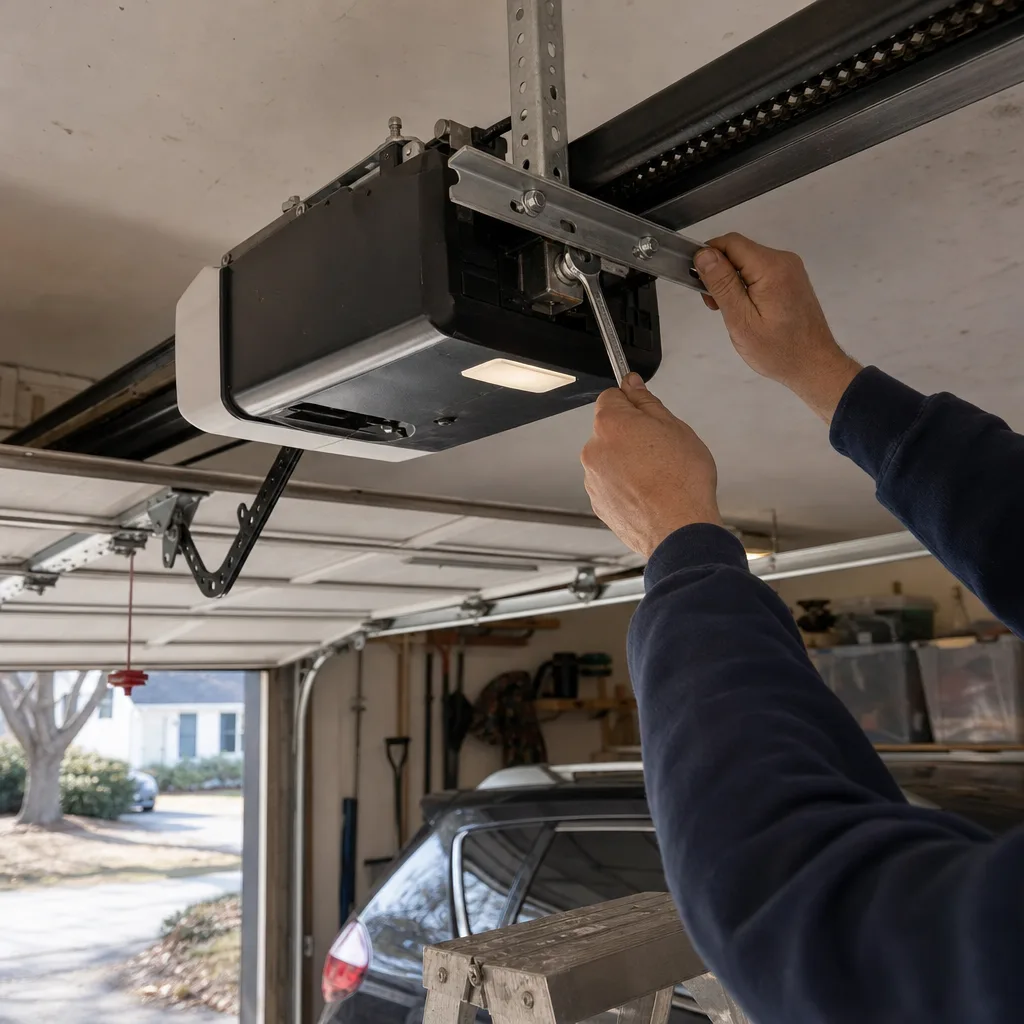
Last updated November 22, 2026
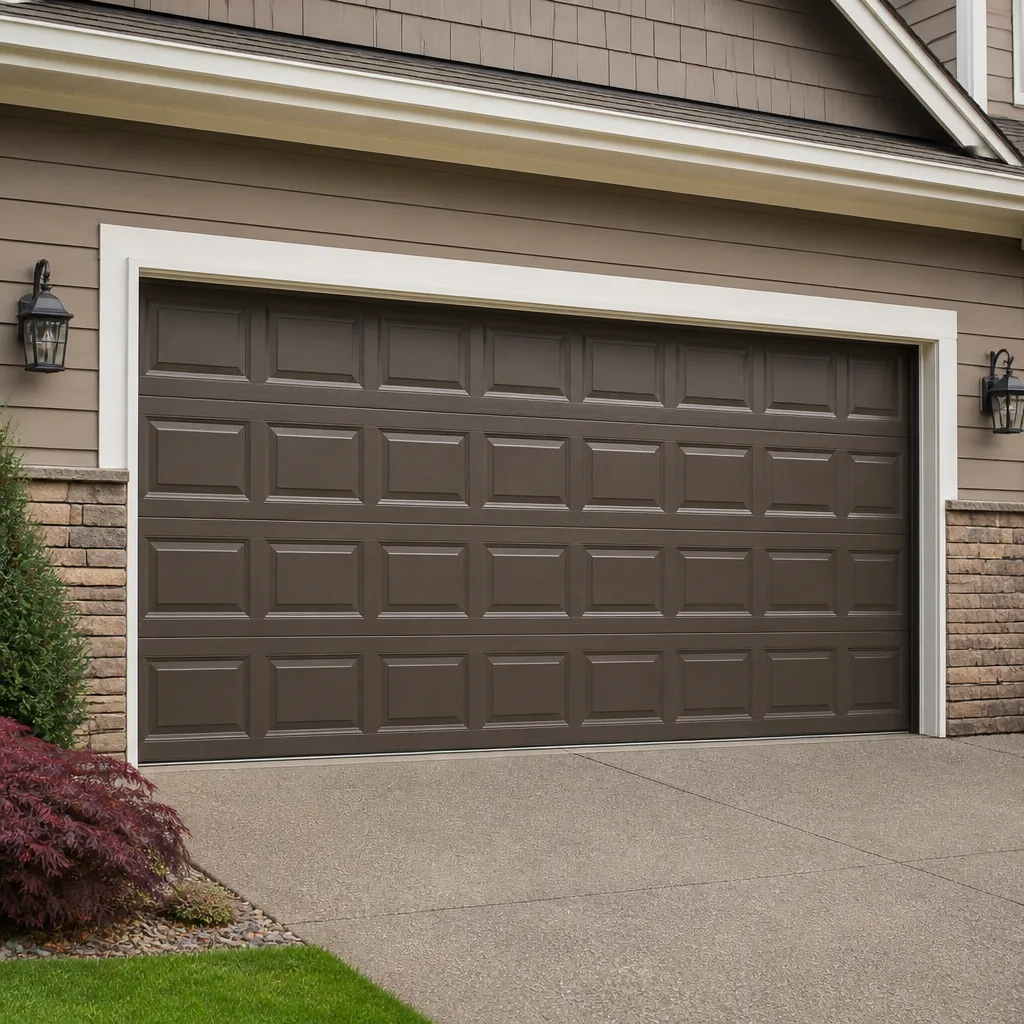 Raised-panel steel
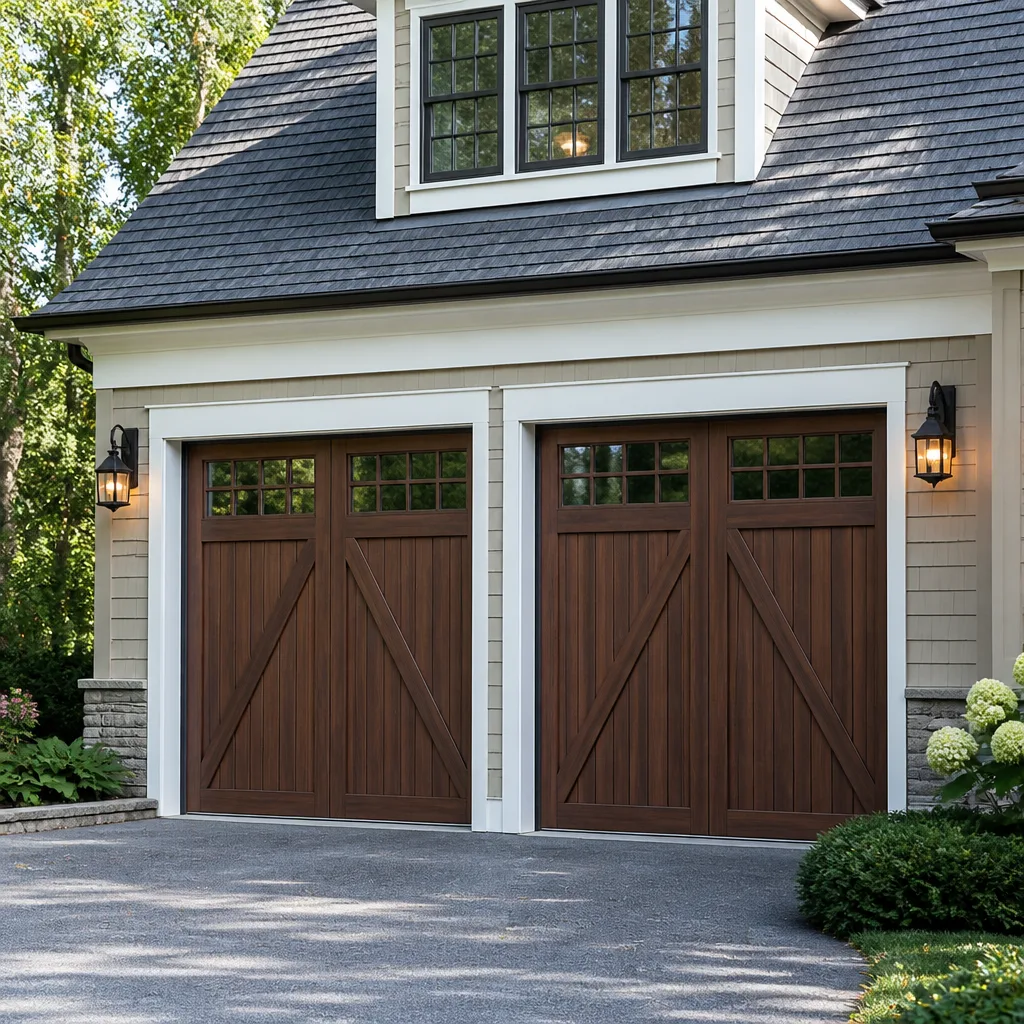 Carriage house
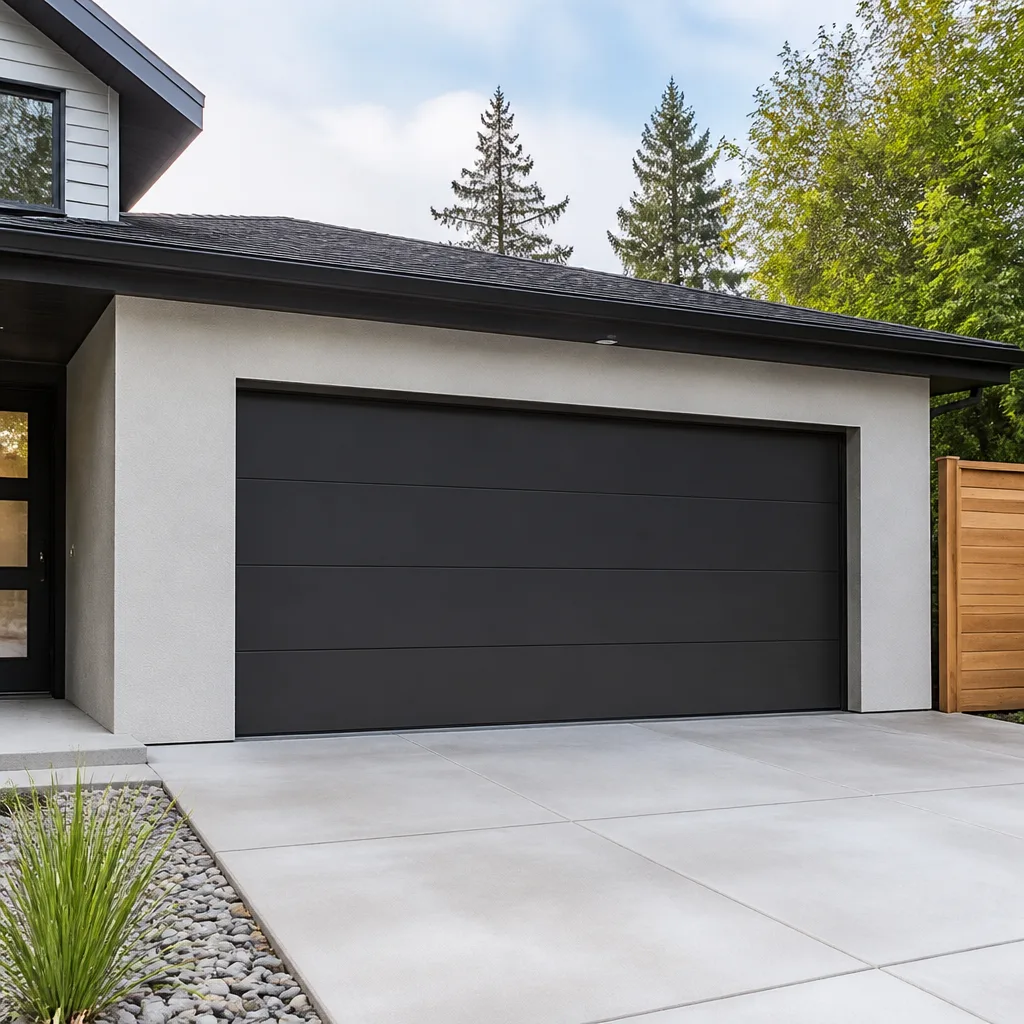 Modern flush
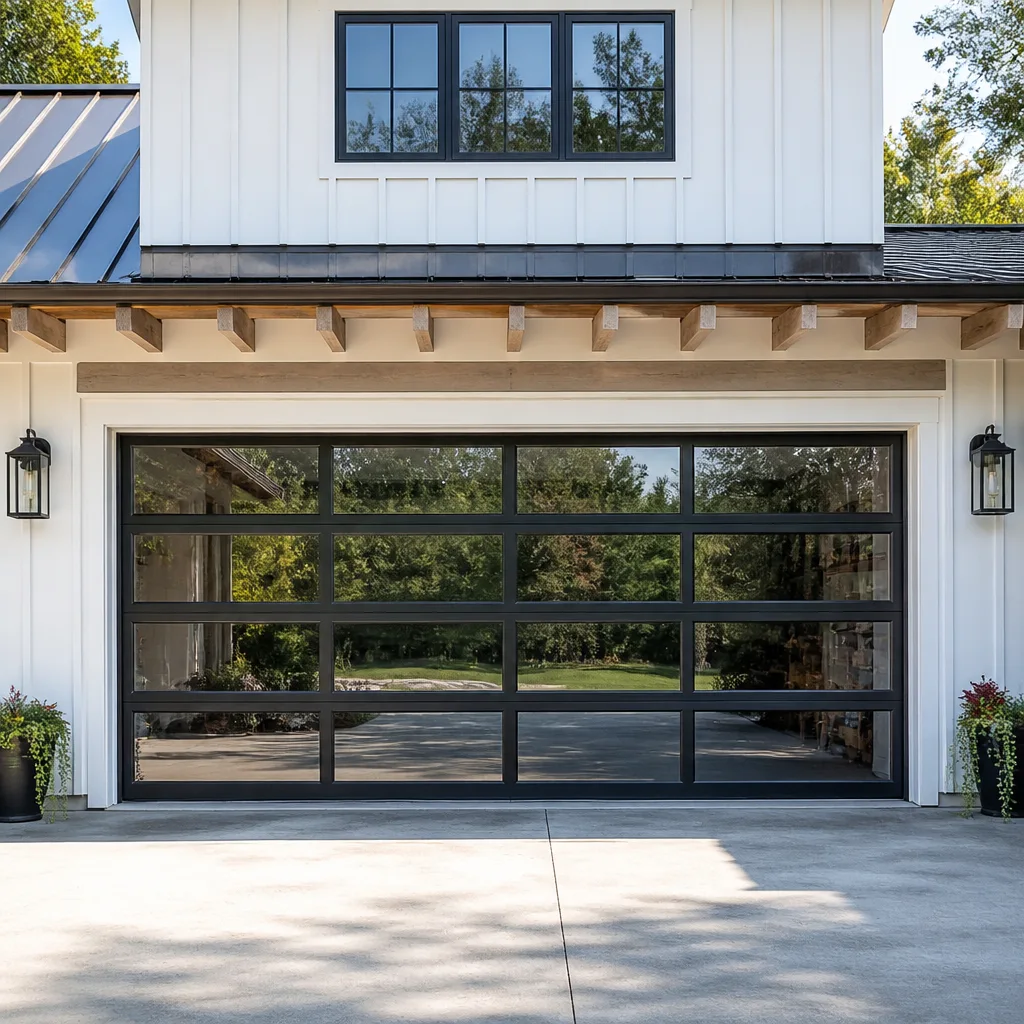 Full-view glass
 LiftMaster openers
 Chamberlain openers
Full 25-point door and opener safety check with every visit - springs, cables, rollers, tracks, and your LiftMaster or Chamberlain opener included
You get a price before we start. It does not change when the pro arrives.
Get your free estimateGarage Door Permits, Codes & Inspections in Newton, MA: What You Need to Know
A garage door swap feels like an appliance replacement to most homeowners. You’re taking out a moving part and putting in a new one, so why would the city care? Here’s the part that surprises people: under Massachusetts State Building Code 780 CMR Chapter 36, a new door unit on an attached garage is treated as a change to a building component, not a simple repair. And Newton’s Inspectional Services Department does flag unpermitted work during home-sale inspections. That flag can stall a closing or force a retroactive permit before the new owner ever moves in. This guide walks through exactly when a permit is required in Newton, how the process works, the wind-load and fire-rated door rules that apply to Massachusetts garages, and what “unpermitted work” means on a seller’s disclosure form.
Quick Answer
In Newton, MA, a full garage door replacement on an attached garage generally requires a building permit under 780 CMR Chapter 36, while a straightforward repair (springs, opener, rollers, panels) usually does not. Opener-only swaps typically fall outside permit scope because you aren’t changing the building envelope. Wind-load requirements apply to new door installations, and a fire-rated door is required between an attached garage and living space under the International Building Code and Massachusetts amendments. When in doubt, call Newton’s Inspectional Services Department directly before you schedule the work.
Styles & brands we work with
- Raised-panel steel
- Carriage house
- Modern flush
- Full-view glass
- LiftMaster openers
- Chamberlain openers
Table of Contents
- When does a garage door permit get required in Newton, MA?
- How does Newton’s Inspectional Services Department process garage door permits?
- What are the wind-load requirements for garage doors in Massachusetts?
- Why does the door between your garage and living space need to be fire-rated?
- What does “unpermitted work” mean on a seller’s disclosure form?
- What happens during a garage door inspection?
- Repair vs. replacement vs. opener swap: which jobs need a permit?
- Common mistakes to avoid
- When to call a professional
- Frequently asked questions
When does a garage door permit get required in Newton, MA?
A garage door permit is generally required in Newton, MA when you replace the full door unit on an attached garage, because under 780 CMR Chapter 36 that install counts as a change to a building component. The Massachusetts State Building Code treats the garage door as part of the building envelope, not as a fixture, and the permit requirement follows the envelope. Newton’s Inspectional Services Department enforces this at both the point of installation and later, during home-sale inspections. That second part is where homeowners get caught off guard. The permit wasn’t requested at the time, the door goes in without one, and then the issue surfaces years later when the house is listed.
Here’s the threshold most homeowners miss: it’s the unit, not the brand. A new Raynor or Amarr door on an attached garage triggers the same code pathway whether or not it looks like the old door. The permit is tied to what’s being installed and where, not to how similar it looks.
What usually does not require a permit in Newton:
- Replacing torsion or extension springs
- Replacing an opener head, rail, or belt
- Replacing rollers, hinges, or cables
- Swapping a single damaged panel (in most cases)
- Adjusting travel limits or sensor alignment
- Replacing weatherstripping or bottom seals
What typically does require a permit:
- Full door replacement on an attached garage
- Converting a carport into an enclosed garage
- Adding a new garage or garage bay
- Changing door size or framing a new opening
- Adding an attached garage to a home that didn’t have one
Newton’s housing stock makes this more complicated than it sounds in other cities. Plenty of homes around Newton Centre, Waban, and Newton Highlands have attached garages added or modified decades after the house was built, which means the door-and-wall assembly often differs from the original plans on file. That gap is exactly what inspectional services looks for. If you’re unsure whether your job crosses the threshold, the honest answer is to ask the city before work starts. A five-minute call to the Inspectional Services Department saves months of headache later. For work that doesn’t need a permit and needs to happen quickly, garage door repair handles panels, cables, rollers, and track alignment directly.
How does Newton’s Inspectional Services Department process garage door permits?
Newton’s Inspectional Services Department processes garage door permits through a standard building permit application, usually reviewed in the same window as other residential structural or envelope permits. Typical turnaround for a residential garage door permit falls in the range of roughly a week to several weeks depending on the volume at the time and whether plan review is needed. Structural changes (new opening, new framing) take longer than a straight door swap matching an existing opening.
The general sequence looks like this:
- Confirm scope and code path. Decide whether your job is a door replacement (permit) or a repair (no permit). If you’re adding or resizing a door opening, you’re in structural territory.
- Prepare the plans or product data. For a straight replacement, the door’s spec sheet matters: wind-load rating, impact rating if applicable, and the model information from the manufacturer. For framing changes, you’ll need a drawing.
- Submit the application. Newton’s Inspectional Services Department accepts building permit applications through its online portal. Fees are set by the city and based on the valuation of the work.
- Plan review. The city checks whether the install meets 780 CMR Chapter 36 for the envelope and wind-loading requirements for your area.
- Permit issued. Once the permit is in hand, work can begin. Keep a copy on site; the inspector will want to see it.
- Rough and final inspection. The assembly and hardware are checked against the approved plans. The inspection is about the structural installation, not about the opener motor.
A few practical notes from what we’ve seen across Newton jobs. The city asks for the same information everyone else does: product data, contractor information, and a scope description that doesn’t leave the details fuzzy. Vague applications slow down. Clear ones move. If you’re working with a homeowner in Newton Corner or Nonantum where the garage is tucked under the house or attached at an unusual grade, the plan reviewer will want to see how the new door interacts with the existing opening, so bring measurements to the application.
One important boundary: whoever installs the door is responsible for pulling the permit and calling for inspection. If you’re hiring a contractor, ask who is pulling the permit before work begins. If the answer is “you are,” that’s a red flag. The licensed installer is the party of record with the city.
What are the wind-load requirements for garage doors in Massachusetts?
Garage doors in Massachusetts must be rated to resist the design wind pressures for their location under the Massachusetts State Building Code, which follows the International Building Code’s wind-load provisions for the structure’s classification. In practical terms, the door you install on a Newton garage needs a manufacturer’s wind-load rating that matches the pressure calculation for the opening, based on door size, exposure, and other site factors. The calculation isn’t something a homeowner runs alone; the door manufacturer provides the ratings, and the installer matches them to the opening.
Where this matters most in Newton: carport conversions and additions.
A door that goes into an existing opening the same size as the old one often carries over the opening’s structural conditions. But when a carport gets enclosed, or a new garage gets added onto the side of a house, the wall framing and header change, and that changes the wind-load calculation. Mass code amendments apply the IBC’s wind provisions to those new assemblies. So the door spec has to match the new opening, not the old door’s spec.
What the wind-load rating actually affects:
- The door’s reinforced hardware and reinforcement struts
- The number and type of hinges and track anchors
- Whether a wind-load post is required for wide openings
- How the panels are specified at the factory
This is the part of a garage door install most homeowners never see on the invoice, but it’s the reason a permit and inspection review are worth the effort. A contractor who’s only thinking about the look of the door can miss a wind-load spec entirely. If you’re pricing a new door for a converted carport or added garage, ask specifically about the wind-load rating before you agree to the job. If the installation step, opener electronics, or spring system is where the job actually lives, garage door opener repair diagnoses the motor and drive side directly, and garage door spring repair handles the high-tension side.
Why does the door between your garage and living space need to be fire-rated?
The door separating an attached garage from the living space must be fire-rated under the International Building Code, and Massachusetts adopts that requirement with its own amendments. The relationship is straightforward: the garage is a fire-separation zone because of stored vehicles, fuel, and equipment, and a fire-rated door keeps a garage fire from spreading into bedrooms and kitchens while people escape. The separation matters just as much as the door itself; a fire-rated door set in an unsealed frame loses most of its protective value.
What this means in practice for Newton homeowners:
- The house-to-garage door is not the same as a standard interior door. It carries a fire rating, typically on its label and its construction.
- The door must self-close. Spring hinges or a self-closing mechanism are part of the code compliance, not a comfort feature.
- The frame and threshold play a role. A rated door in a standard frame doesn’t perform as designed.
- This is separate from the overhead door. The fire-rated requirement applies to the swinging service door between the house and garage, not to the overhead garage door itself.
When we’re working in Newton homes, this is one of the most common code gaps. A door gets swapped for a nicer-looking one during a kitchen or mudroom remodel and the replacement isn’t rated. It passes the eye but not the code. When that house lists, the home inspector writes it up, and the seller has to sort out the swap under pressure. If you’re updating the mudroom entry between a house and garage, keep the rating. The upside is worth more than the aesthetics.
What does “unpermitted work” mean on a seller’s disclosure form?
“Unpermitted work” on a Massachusetts seller’s disclosure form means work that required a permit but was started or completed without one being pulled or without a final inspection being recorded. The disclosure isn’t a judgment about the quality of the work; it’s a factual statement of permit status. That distinction matters, because the impact on a Newton home sale has nothing to do with whether the door functions correctly.
Where this shows up during a Newton sale:
- Home inspector review. Inspectors compare what they see against permit history and flag discrepancies. A new door assembly with no permit record lands on the list.
- Seller disclosure. The seller is asked whether they’re aware of unpermitted work. Answers are on record and follow the house.
- Buyer negotiation. Buyers use unpermitted work as leverage, either for a price reduction or for the seller to pull a retroactive permit and clear inspection before closing.
- Retroactive permitting. Newton’s Inspectional Services Department can accept a retroactive permit application, but it may require opening walls or re-inspection of the finished assembly. That’s time and cost the seller didn’t plan for.
- Lender concern. In some cases, lenders require unpermitted work to be resolved as a condition of financing. That can push back a closing date.
The simplest path is to do it correctly the first time. If you’re replacing an attached-garage door in Newton, pull the permit, get the inspection, and keep the paperwork. The permit becomes a feature at sale time, not a flaw. Buyers ask about it, and a documented installation is a clean answer. It’s also worth keeping the permit file with your home records next to the opener manual and the warranty card; the next homeowner will want all of it.
What happens during a garage door inspection?
A garage door inspection in Newton, MA, checks the installation against the permitted plans and the Massachusetts State Building Code. It’s not a quality-of-work aesthetic review; it’s a code and safety review. The inspector verifies what was installed, how it was installed, and whether the assembly matches what the permit application described.
What the inspector typically looks at:
- Wind-load rating and labeling. The installed door’s specs match the approved plans.
- Attachment to framing. The track and header are properly anchored to the structure.
- Headroom and backroom clearances. The door operates within safe mechanical limits.
- Safety features. The photo-eye sensors and auto-reverse are functioning. This is often checked even though it’s technically an opener function.
- Fire-rated door between house and garage. If it’s part of the permitted scope, the label is verified and self-closing is checked.
- Permit documentation. The permit must be on file and the work must match the permit.
An inspection usually takes less than an hour when the install is clean. Most corrections issued during garage door inspections are quick: labeling is missing, documentation hasn’t been posted, a minor safety adjustment needs to happen. Serious failures are rare and are usually traceable back to a contractor working outside the permit scope entirely.
The one safety caveat we always raise here: springs and cables are not something an inspector expects a homeowner to touch, and neither should you. High-tension torsion systems can cause serious injury if adjusted without the right tools and training. If an inspection or repair flags a spring issue, leave it to a technician who works with these systems daily. If an inspection turns up a problem with the opener electronics instead of the door structure, that’s a different kind of visit; if you’re already dealing with a door issue and want to know what falls under inspection versus service, our Newton Garage Door Repair Pros team can walk through the scope. Our technicians have up to 8 years of experience working with high-tension system repairs.
Repair vs. replacement vs. opener swap: which jobs need a permit?
Here’s the practical breakdown most Newton homeowners actually need, because the permit question comes up differently depending on what’s being done. The threshold is whether the building envelope changes: if it does, the permit is in scope. If you’re just replacing a mechanical part, it usually isn’t.
- Full door replacement (attached garage): Permit required. Wind-load rating and product data go on the application. Inspection required after install.
- Full door replacement (detached garage): Permit requirements vary depending on the structure’s classification and Newton’s interpretation of the code. Ask Inspectional Services before assuming it’s exempt.
- Spring replacement (torsion or extension): Permit not required. Significant safety concern; leave to a trained technician.
- Opener swap (same drive type): Permit not required in a typical residential replacement. It’s an electrical appliance swap, not a structural change.
- Opener swap (change of drive type, new wiring run): Permit status depends on the electrical scope. If a new dedicated circuit is being run, that’s a separate electrical permit under Newton’s rules.
- Panel replacement (single panel): Permit generally not required for a like-for-like panel swap. A panel change that alters the door’s rated wind-load may pull the job back into permit territory.
- Track, cable, or roller replacement: Permit not required. Standard service work.
- Carport conversion or new garage construction: Full building permit required. Wind-load rating, fire separation, and framing inspection all apply.
Newton has its own context here. The city has plenty of older homes where the garage was added later, and the paperwork for that addition may not be complete. If you’re replacing a door on a garage that was itself added without a permit, the door permit application is a moment when the city is likely to ask more questions. That’s not a reason to avoid the permit; it’s a reason to plan the process rather than discover the issue at inspection time. For anything involving the door mechanism itself, that’s routine service and doesn’t go through the city at all.
Common Mistakes to Avoid
- Assuming a repair needs a permit. Springs, rollers, and opener swaps don’t usually require one, and pulling a permit for mechanical service slows work that doesn’t need to wait.
- Assuming a replacement doesn’t need one. This is the bigger mistake in Newton. A full attached-garage door swap under 780 CMR Chapter 36 is a component change, whether or not it looks like it.
- Letting the installer skip the permit. The installer is the party of record with the city. If they’re not pulling it, ask why before work begins.
- Replacing a fire-rated house-to-garage door with an unrated one. This shows up years later during a home inspection, and by then the swap is harder to correct.
- Forgetting the wind-load spec on a converted carport or added garage. The opening changed, so the old door’s spec doesn’t carry over. Ask for the rating in writing.
- Tossing the permit file. The permit and inspection record become a selling feature. Keep them with the home’s paperwork.
- Assuming a detached garage is exempt without checking. The answer depends on how the city classifies the structure. Ask Newton’s Inspectional Services Department rather than guessing.
When to Call a Professional
Call a professional for any job that touches the springs, cables, or structural attachment of the door. A snapped torsion spring is a serious safety situation; the tension can injure anyone handling it without the right equipment. Call for track misalignment that won’t correct with adjustments, for a door that’s hanging off-level, and for any installation of a new door where the wind-load rating or fire separation matters. Call for opener issues you can’t trace to user error (remote, sensor alignment, travel limit). And call if you’re midway through a Newton permit process and need the install completed correctly by a licensed technician who can work with the city’s inspection schedule. Newton Garage Door Repair Pros offers free estimates in Newton – call (855) 337-1889.
Frequently Asked Questions
In most cases, yes. A full garage door replacement on an attached garage requires a building permit in Newton under Massachusetts State Building Code 780 CMR Chapter 36, because the door is part of the building envelope. Straightforward repairs, like a spring or opener replacement, usually don’t. Confirm your specific scope with Newton’s Inspectional Services Department before scheduling the work. Call (855) 337-1889 if you want the code-relevant parts of the job handled correctly from the start.
An opener swap in a typical residential replacement usually doesn’t require a building permit, because it’s an appliance replacement rather than a change to the building envelope. If the new opener requires a new dedicated electrical circuit, that’s a separate electrical permit under Newton’s rules. The door mechanism itself (springs, opener, track, cables) sits outside the permit process, so this is one job that can usually be scheduled quickly.
The garage door must carry a wind-load rating that matches the design pressures for the opening under the Massachusetts State Building Code, which follows the IBC wind provisions. In practice, this means the door manufacturer’s rating has to match the calculation for the specific opening, based on the door size and the site conditions. The rating is set at the manufacturer and confirmed at installation. This matters most on converted carports and added garages, where the opening has changed size or framing. Call (855) 337-1889 for a free estimate that includes the correct wind-load-rated door.
The door between your attached garage and living space must be fire-rated under the International Building Code as adopted in Massachusetts. It also needs to be self-closing. This applies to the swinging service door, not the overhead garage door. When a mudroom or hallway between the house and garage gets remodeled, the fire-rated door is often swapped for a standard one, which creates a code problem that surfaces during a home inspection. Ask Newton’s Inspectional Services Department for the exact rating required for your assembly.
Permit fees are set by the City of Newton and are typically calculated based on the valuation of the work you’re permitted for. They aren’t a flat rate and they aren’t a fee we set or control. The city can give you the current fee schedule when you start the application, and Inspectional Services handles the calculation. Call (855) 337-1889 for a free estimate on the installation portion of the work; estimates are free and the permit fee is disclosed separately.
Yes, it can. Unpermitted work shows up on the Massachusetts seller’s disclosure form, and home inspectors flag discrepancies between visible work and the city’s permit history. Buyers use this as a negotiating point, and in some cases the seller has to pull a retroactive permit and clear inspection before closing. The safest path is to pull the permit when the work is done and keep the record with the home’s paperwork. Call (855) 337-1889 if you need a door installed correctly the first time.
The Bottom Line
Garage door permits in Newton, MA come down to one question: is the building envelope changing? A full door replacement on an attached garage requires a permit under 780 CMR Chapter 36, a wind-load rating that matches the opening, and an inspection. A spring, opener, or hardware job usually doesn’t. The fire-rated door between the house and garage is a separate requirement that gets missed when kitchens and mudrooms are remodeled. And unpermitted work follows the house through a sale via the disclosure form, which is why the easiest path is the documented one. If you want the door installed correctly and the code-relevant details covered, call (855) 337-1889 for a free estimate.
Written by the team at Newton Garage Door Repair Pros.
See the difference
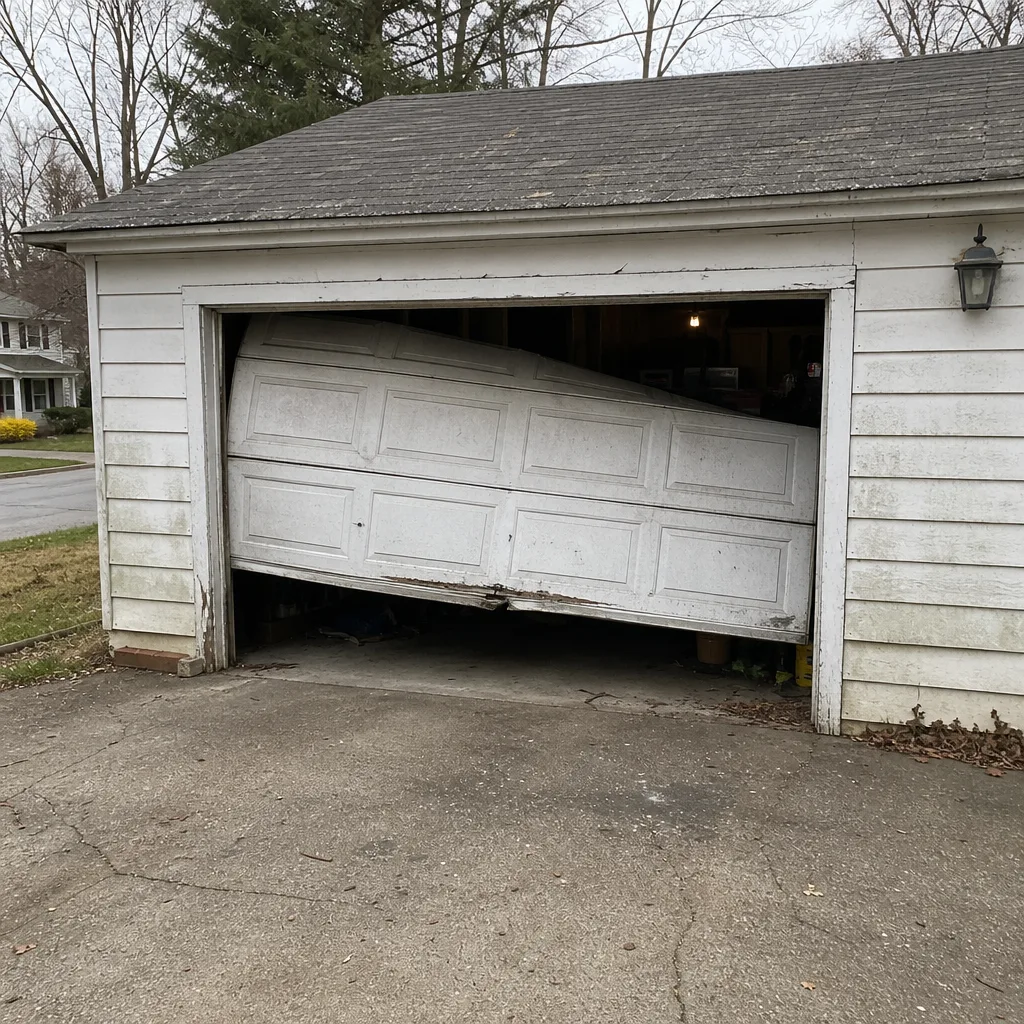 Before
 After
 Before
 After
 Before
 After